

Advantages of Using Aluminium Frames for Composite Decks
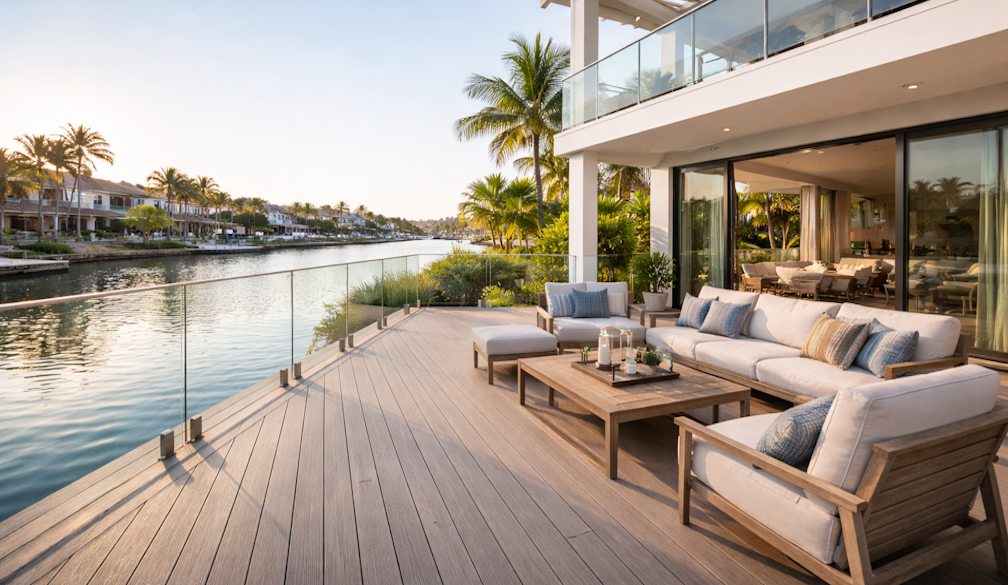
Composite decking continues to enhance Australian properties by creating stylish, versatile outdoor living areas that deliver strong long-term value. Whether your home leans towards a rustic, Mediterranean, or contemporary design, composite decking adapts effortlessly and elevates the overall look and function of your space.
Traditionally, both timber and composite decking have been installed over timber subframes. While timber framing is affordable and familiar, it can deteriorate over time when exposed to moisture. Depending on treatment and location, timber frames may also require ongoing inspections and maintenance.
This is where aluminium framing has emerged as a preferred alternative. Its strength, durability, and resistance to environmental stress have made it an increasingly popular support system for composite decking across Australia.
If you are exploring aluminium framing and want to understand whether it suits your project, this guide will walk you through the key considerations.
What Is Aluminium Framing for Composite Decking?
Aluminium framing is a modern substructure system designed to support composite decking boards using lightweight, corrosion-resistant aluminium beams and connectors. It provides a stable, level foundation that performs particularly well in moisture-prone areas and low-profile deck designs.
Unlike timber, aluminium does not warp, rot, or absorb moisture. Its dimensional stability and adjustable height options make it a practical and long-lasting alternative to traditional timber framing.
How Aluminium Deck Framing Is Installed
Aluminium framing systems are engineered to be efficient, reliable, and adaptable. The installation process typically includes:
Framework construction
Aluminium joists, beams, and posts are connected using purpose-built brackets and fasteners to form a rigid, accurately aligned structure.
Height and level adjustment
Pedestals or adjustable supports can be positioned beneath the joists, allowing installers to fine-tune deck height and achieve a perfectly level surface.
Deck board fixing
Composite decking boards in Sydney are secured to the aluminium frame using concealed fasteners or approved fixings, resulting in a clean, seamless finish.
Key Benefits of Aluminium Framing for Composite Decking
Understanding the advantages of aluminium framing helps homeowners make informed decisions and maximise return on investment.
Exceptional Durability and Lifespan
Aluminium is immune to rot, mould, and insect damage, making it far more durable than timber framing. In many cases, aluminium subframes can last several times longer than wood, particularly in challenging climates.
In regions exposed to high humidity, temperature extremes, or coastal conditions, aluminium framing maintains its integrity without cracking, warping, or degrading.
Superior Structural Strength
Metal framing offers significantly greater load-bearing capacity than timber. This added strength provides peace of mind, especially for elevated decks, rooftop installations, or areas expected to carry heavy furniture and foot traffic.
Precision and Consistency
Aluminium framing components are manufactured to exact specifications. This precision reduces installation errors, minimises uneven surfaces, and contributes to a cleaner, more professional finished deck.
Minimal Maintenance Requirements
Unlike timber frames that may require sealing, staining, or repainting, aluminium framing demands very little upkeep. Protective anti-corrosion coatings further enhance durability, allowing homeowners to enjoy their deck without ongoing maintenance concerns. Get in touch with a trusted Aussie deck distributor for further information about high quality aluminium framing systems.
Environmentally Responsible Choice
Aluminium framing is often produced using recycled materials such as beverage cans, old building components, and metal cladding. At the end of its life, aluminium can be recycled again, reducing landfill waste and conserving natural resources.
This makes aluminium framing a strong option for homeowners prioritising sustainability.
Design Versatility and Visual Compatibility
Aluminium framing complements a wide range of architectural styles, from minimalist and industrial to modern Scandinavian designs. When paired with composite, timber, or PVC decking, it supports virtually any aesthetic outcome.
Visible sections of aluminium framing can also be finished or concealed to align with design preferences.
Fire Resistance
As a non-flammable material, aluminium provides added safety around barbecues and fire features. When installed according to guidelines and clearance requirements, it supports safer outdoor entertaining.
Easy Integration of Services
Aluminium framing allows for discreet integration of plumbing and electrical services. Cables, lighting, and drainage components can be incorporated without interfering with existing infrastructure.
Broad Material Compatibility
Aluminium frames work seamlessly with composite, timber, and PVC decking systems, allowing homeowners to benefit from metal framing regardless of their surface material choice.
Greater Creative Freedom
The strength and flexibility of aluminium framing make it ideal for custom designs. Curved decks, multi-level platforms, geometric layouts, and integrated features such as benches, planters, and fire pits are all easier to achieve with a metal subframe.
Potential Drawbacks of Aluminium Deck Framing
While aluminium framing offers many advantages, it is important to consider potential limitations before committing.
Higher Initial Cost
Aluminium framing systems generally cost more upfront than timber. However, reduced maintenance, longer lifespan, and fewer repairs often balance this investment over time.
Installation Complexity
Timber framing is often more familiar to DIY builders. Aluminium systems are more rigid and may require specialised tools or expertise. Many manufacturers offer prefabricated subframe kits to simplify installation and reduce complexity.
Aesthetic Preferences
Some homeowners prefer the traditional look of timber framing. Where aluminium framing is visible, finishes or coatings can be applied to soften its appearance and align it with the overall design.
Aluminium vs Steel Framing for Composite Decks
If you are considering metal framing, choosing between aluminium and steel is an important decision.
Aluminium Framing
Aluminium is lightweight, making it easier to handle and install. This makes it particularly suitable for rooftop Pioneer branded decking, coastal locations, and projects where weight restrictions apply.
Its resistance to rust and corrosion allows it to perform well in wet, salty, or chemically exposed environments. Aluminium requires no ongoing sealing or painting and is highly recyclable, aligning well with sustainable building practices.
However, aluminium is not as strong as steel and may not suit extremely high load-bearing applications. It also expands and contracts more with temperature changes.
Steel Framing
Steel offers exceptional strength and is ideal for projects requiring maximum load capacity, including:
- Commercial and public spaces
- Large or elevated decks
- High-traffic areas
- Coastal or exposed environments
Steel is often more affordable upfront than aluminium and can be shaped into complex designs. However, it is heavier, more difficult to install, and requires ongoing protective coatings to prevent corrosion, increasing long-term maintenance.
Final Thoughts on Aluminium Framing for Composite Decking
Aluminium framing provides a strong, lightweight, and corrosion-resistant foundation for composite decking. Its durability, structural reliability, low maintenance requirements, and sustainability credentials make it a compelling choice for modern Australian homes.
While the initial cost and installation complexity may seem daunting, the long-term benefits often outweigh these concerns, delivering excellent value over time.


