

Building Maintenance for Brisbane’s High Rise Vertical Gardens
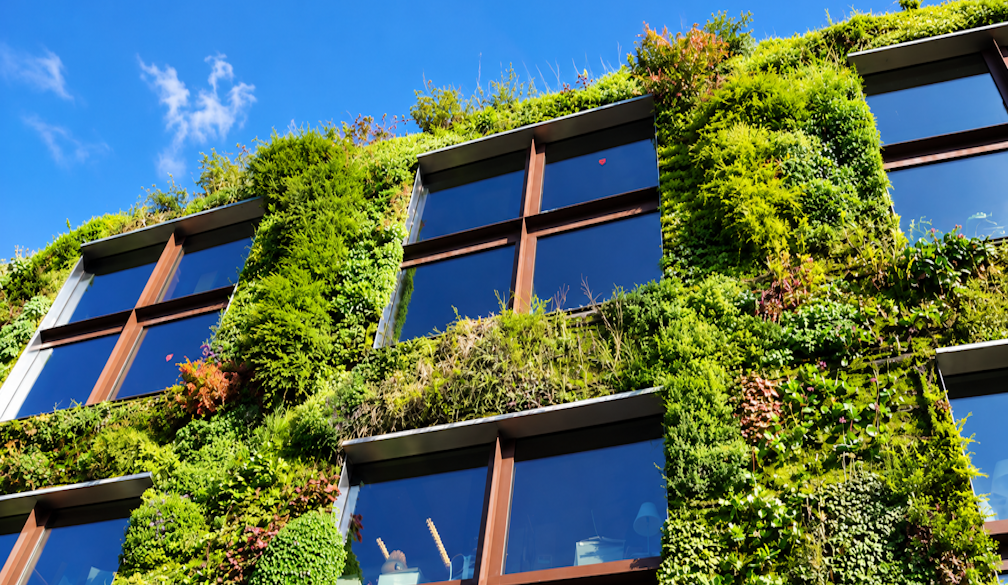
Rooftop gardens aren’t the only way Brisbane’s buildings are becoming greener, as more apartment blocks and high-rise buildings embrace having plants growing up their walls. These so called ‘vertical gardens’ generally consist of a wall or facade covered in plants, usually ferns and trailing vines, and Brisbane’s City Council has been actively encouraging more of them.
Why Vertical Gardens Are Showing Up on More Buildings
Under Brisbane’s ‘Buildings that Breathe’ guidelines, council has been encouraging developers to make the most of the city’s subtropical climate, and that includes walls and facades as well as rooftops. The guide describes green walls as a space efficient way to add plants to a development, with the greenery providing shade, insulation and something nicer for people to look at than a blank concrete wall. More greenery also helps cool the city by reducing the urban heat island effect, and council points to research linking time around plants with lower anxiety and better health, as well as higher property values. For developers and body corporates, that’s meant more green walls and climbing facades finding their way into new and existing buildings across the city.
What Vertical Gardens Mean for Your Building
Whilst a vertical garden may look simple enough from the ground, it’s worth remembering that it’s growing directly on, or right next to, the building’s outer walls. That means every irrigation line, planter box and root system is sitting somewhere near the waterproofing, the render and the structure holding everything up.
Left unchecked, a few things can go wrong. Irrigation and root moisture can find their way into cracks in the facade, leading to water ingress that’s hard to spot until it’s already caused damage. Planter boxes and trailing plants can hide the early signs of concrete cancer or degraded render. Balconies carrying the weight of greenery need to be checked for wear too, particularly on older buildings. Drainage points can also become blocked by root growth or fallen plant matter, sending water where it shouldn’t go.
However, none of this is a reason to avoid vertical gardens. It simply means you have to plan for regular maintenance.
Maintenance Checks for Vertical Gardens
For any building with vertical greenery, a few checks are worth adding to the annual maintenance plan. Start with a facade inspection to catch water ingress or degraded render before it spreads. Then have any waterproofing and leak repairs done around planters, joints and irrigation points and check for worn sealants as these can also allow moisture into the facade. Any concrete repairs should be taken care of too. Because most of this work is up high and often in awkward spots hidden behind plants, it’s a job for a team set up for difficult access, high rise maintenance and repairs.
Getting the Right Team on the Job
Vertical gardens add a touch of natural beauty to Brisbane’s skyline and are a trend worth keeping. Keeping the buildings that house them in good shape just requires a bit of forward planning and professionals that know what they are doing. Rope access teams specialise in getting to the parts of a high-rise that are hardest to reach, all without the need for scaffolding and major disruptions. If your building’s vertical garden is due for a health check, get a reputable rope access team to arrange an inspection.


