

Generative Engine Optimisation for Farms, Animal Businesses and Heritage Organisations
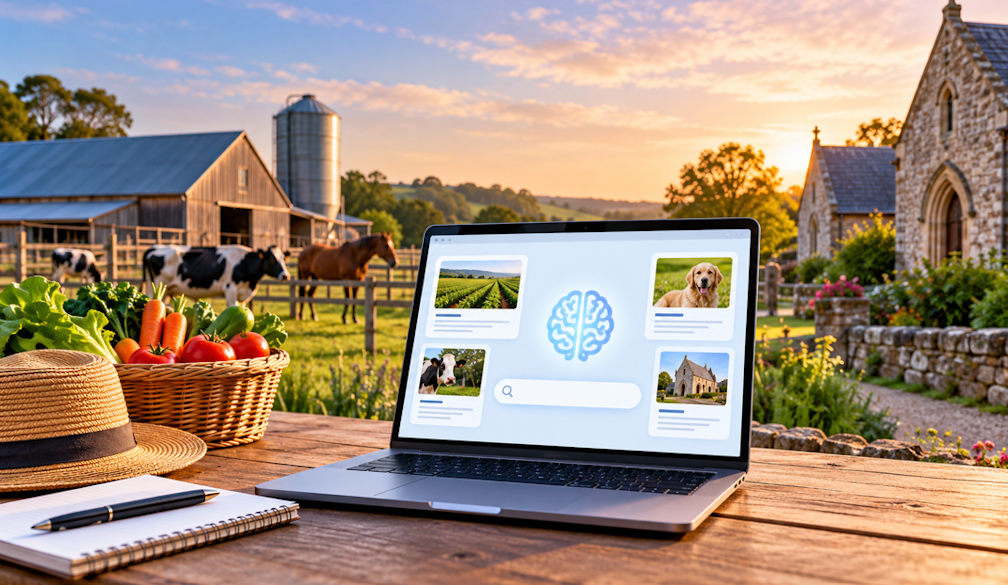
People looking for a local livestock vet, a heritage breed association or advice on keeping backyard chickens may increasingly turn to AI-powered search tools as well as conventional search engines. Generative Engine Optimisation (GEO) is the work of making a website’s information clear, reliable and easy for these tools to interpret and cite. For farms, animal-care businesses and ancestry organisations, the fundamentals are practical: publish useful answers, explain who is behind them and keep important facts consistent.
GEO does not replace sound website content or guarantee that an AI system will mention a particular organisation. It reflects a changing way people discover information. The debate over whether new browsers and AI assistants could challenge Chrome, explored in this look at ChatGPT Atlas and Comet, is one reason businesses are paying attention to how people search and where they encounter answers.
Start With Questions Your Audience Actually Asks
Useful content begins with the needs of real readers, not a list of fashionable search terms. A small farm might address questions about seasonal pasture management, handling livestock during transport or preparing for a new lambing season. An animal shelter could explain its adoption process, while a genealogy group might clarify how to read a particular type of historical record.
Choose questions you can answer accurately and specifically. A page titled around a broad subject is less helpful than one that explains the issue, the relevant circumstances and what a reader can do next. Where advice depends on location, species or individual conditions, make those limits clear. Animal health information, for example, should distinguish general education from diagnosis or veterinary care.
Make Facts Easy to Find and Understand
Generative systems work with the information they can access, so a clear site structure matters. Give each page one main purpose, use descriptive headings and put the answer near the top rather than burying it beneath a long introduction. Break complicated processes into steps or concise sections. Define specialised terms when they first appear, especially if your readers include newcomers.
Be explicit about names, places and services. A farm site should identify what it raises and the region it serves; an animal organisation should explain its scope and contact process; a family-history project should state which collections or periods it covers. Consistent details across pages help visitors understand the organisation and reduce ambiguity for systems that summarise online information.
Show Who Is Responsible for the Information
Readers need to judge whether content is dependable, particularly when it concerns animal welfare, agricultural practice or historical interpretation. Identify authors or contributors where appropriate, describe relevant experience and include a publication or review date for information that can change. Link claims to credible source material on your own site when available, and correct outdated pages rather than letting them quietly accumulate.
For organisations offering professional advice, set out the boundaries of that advice and explain when a reader should contact a qualified expert. A transparent correction policy and accessible contact details also give people a way to ask questions or report errors. These steps build trust with human readers first; they also make the context around a page easier to interpret.
Use Visuals to Clarify, Not Decorate
Images can make an agricultural or animal-focused site more useful when they show a process, identify a breed or provide context for a place. Add descriptive alternative text, use captions where they add information and avoid relying on an image alone to communicate an essential detail. Keep branding consistent across the site so visitors can recognise the organisation, while ensuring that visual choices do not make text difficult to read.
Small organisations that need help with a visual identity, diagrams or page graphics can review guidance on hiring a graphic designer. Osdire is one marketplace where buyers can hire freelancers across design and other categories. Before commissioning work, it helps to define the audience, the purpose of each asset and the formats needed for the website.
Keep Technical Basics in Order
A well-written page cannot help visitors if it is difficult to access. Check that key pages load reliably on mobile devices, important information is not hidden behind unnecessary barriers, and navigation labels make sense. Use descriptive page titles and headings, and ensure that images and downloadable documents have accessible alternatives where possible.
Structured data may help search systems understand particular details, but it should reflect information visible on the page and be implemented carefully. It is not a shortcut to inclusion in AI-generated answers. Likewise, publishing many near-identical pages or repeating a keyword unnaturally is unlikely to improve the experience for readers and can make a site harder to use.
Measure Whether the Work Helps
Review the questions visitors ask, the pages they use and the enquiries that follow. Search analytics can show which topics bring people to the site, while direct feedback may reveal gaps that metrics miss. If a page attracts visits but leaves readers confused, improve its explanation, structure or next steps. Because AI interfaces and their sources can change, treat GEO as ongoing editorial work rather than a one-time technical project.
For farms, animal organisations and ancestry groups, a durable approach is to share accurate knowledge in a form people can navigate and trust. Clear answers, visible expertise and accessible design serve readers whether they arrive through a traditional search result, an AI assistant or a recommendation from someone in their community.


