


Why Residential Scaffolding Is Essential for Safe and Efficient Home Projects
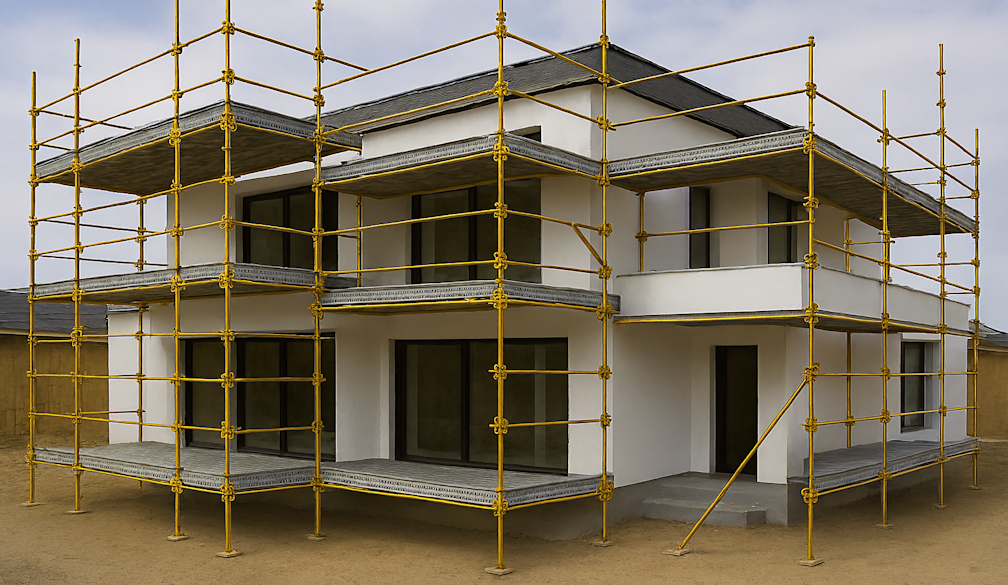
When construction or renovation work takes place on a home, safety and access quickly become critical concerns. Residential scaffolding provides a secure and stable platform that allows tradespeople to work at height with confidence while protecting both the property and its occupants. From small repairs to major renovations, residential scaffolding plays a key role in ensuring work is completed efficiently and safely.
Homes present unique challenges compared to large commercial sites. Tight spaces, uneven ground, nearby boundaries, and existing structures all require careful planning. Residential scaffolding is designed specifically to address these conditions, offering flexible configurations that adapt to the shape and layout of individual homes without compromising stability.
Supporting Safety for Trades and Homeowners
Working at height is one of the highest-risk activities in construction and maintenance. Ladders alone are often insufficient for prolonged or complex tasks, increasing the risk of falls and injuries. Residential scaffolding provides a continuous working platform with proper support, allowing tradespeople to move freely and maintain balance while working.
For homeowners, this added safety is equally important. Proper scaffolding reduces the risk of accidents that could damage the property or cause injury. It also helps keep work areas organised and contained, minimising hazards around the home during construction.
Improving Access to Difficult Areas
Many parts of a home are difficult to reach safely without proper access equipment. Rooflines, upper-storey walls, gutters, eaves, and external cladding often require extended periods of work at height. Residential scaffolding allows safe and consistent access to these areas, making it easier to complete tasks thoroughly.
Better access also improves work quality. When tradespeople can reach surfaces comfortably, they are more likely to complete detailed work accurately, resulting in better finishes and longer-lasting results.
Enhancing Efficiency on Residential Projects
Efficiency is a major benefit of residential scaffolding. Instead of repeatedly climbing up and down ladders, workers can move along scaffolding platforms with tools and materials close at hand. This reduces downtime and physical strain, allowing tasks to be completed more quickly.
Faster progress benefits homeowners by shortening project timelines. Reduced delays mean less disruption to daily routines and a quicker return to normal living conditions once work is complete.
Adapting to Different Home Designs
Every home is different, and residential scaffolding systems are designed with this variability in mind. They can be configured to suit single-storey homes, multi-storey buildings, extensions, and renovations. Adjustable components allow scaffolding to fit around balconies, verandas, sloped ground, and narrow access points.
This adaptability ensures that scaffolding provides stable support without interfering with existing structures. Properly designed systems allow work to proceed smoothly even in challenging residential environments.
Supporting a Wide Range of Trades
Residential scaffolding is used by many different trades during home projects. Painters, roofers, bricklayers, electricians, and renderers all rely on stable access to complete their work safely. Having a single, well-planned scaffolding setup allows multiple trades to work efficiently across different stages of a project.
This shared access reduces the need for repeated equipment changes and site adjustments. As a result, coordination between trades improves, supporting smoother project flow and better outcomes.
Protecting Property During Construction
Uncontrolled access and improper equipment can lead to accidental damage to walls, gardens, windows, and surrounding structures. Residential scaffolding helps protect the property by providing defined access points and work areas.
Stable platforms reduce the risk of dropped tools or materials, while proper spacing helps prevent accidental contact with finished surfaces. This protection is especially important during renovations where parts of the home remain occupied or are already completed.
Reducing Physical Strain and Fatigue
Repeated ladder use can be physically demanding and increase fatigue over time. Residential scaffolding offers continuous platforms that allow workers to maintain better posture and move naturally while performing tasks.
Reduced fatigue leads to better focus and fewer mistakes. Over the course of a project, this contributes to higher-quality workmanship and improved safety outcomes.
Meeting Safety Standards and Regulations
Construction and renovation work must comply with safety regulations, particularly when working at height. Residential scaffolding helps meet these requirements by providing guardrails, stable platforms, and proper load distribution.
Using compliant scaffolding demonstrates responsibility and professionalism. It also reduces liability risks for both contractors and homeowners by ensuring work is carried out in a controlled and approved manner.
Supporting Renovations and Ongoing Maintenance
Residential scaffolding is not only used for major builds. It is equally valuable for maintenance tasks such as gutter cleaning, roof repairs, repainting, and exterior upgrades. Safe access ensures these tasks can be performed thoroughly rather than postponed due to access difficulties.
Regular maintenance supported by proper scaffolding helps extend the life of a home. By making essential work safer and more accessible, scaffolding contributes to long-term property care.
Cost Efficiency Over the Project Lifecycle
While scaffolding represents an upfront cost, it often leads to overall savings. Improved efficiency, reduced accident risk, and better workmanship all help prevent costly delays, repairs, or rework.
For homeowners, this means greater value from renovation or maintenance projects. Work completed safely and correctly the first time reduces the likelihood of future issues.
A Reliable Foundation for Residential Work at Height
Residential scaffolding provides a safe, adaptable, and efficient solution for working at height on homes. It supports tradespeople, protects property, and improves overall project outcomes.
By creating secure access and reducing risk, residential scaffolding plays a vital role in modern home construction and maintenance. Whether for small repairs or large renovations, it remains an essential component of safe and successful residential projects.


