

Why Smart Door Lock Systems Are Changing Modern Home Security
Home security technology has advanced significantly in recent years as more homeowners look for safer and more convenient ways to protect their properties. Many households are now choosing a smart door lock system to improve access control, reduce reliance on traditional keys, and enhance overall home security. Smart locking technology combines digital convenience with modern security features that suit changing lifestyle needs.
As connected home technology becomes more common, digital locking systems continue gaining popularity among homeowners, apartment residents, and property managers seeking practical security upgrades. Smart door locks offer a combination of accessibility, flexibility, and improved monitoring that traditional locking systems may not provide.
Traditional Keys Have Limitations
Conventional key-operated locks have been widely used for decades, but they also present several limitations. Keys can be lost, copied, stolen, or forgotten, often creating inconvenience and potential security concerns for homeowners.
Smart door locks reduce many of these issues by replacing or supplementing physical keys with digital access methods such as PIN codes, smartphone control, fingerprint recognition, or key cards. This allows homeowners to manage access more conveniently while reducing the need to carry multiple keys.
Digital access systems also make it easier to control who can enter the property and when access is permitted.
Convenience Is A Major Advantage
One of the main reasons smart door locks continue growing in popularity is the convenience they offer for everyday use. Homeowners can unlock doors quickly using mobile apps, fingerprint scanners, or personalised access codes instead of searching for keys.
This convenience becomes especially useful when carrying groceries, managing children, or entering the property during poor weather conditions. Temporary digital access can also be shared easily with family members, guests, cleaners, or contractors without requiring physical key handovers.
Remote access features allow homeowners to manage entry permissions even when they are away from the property.
Smart Locks Improve Access Control
Modern households often require more flexible access management than traditional locks can provide. Smart door locks allow homeowners to create individual access codes for different users, making it easier to monitor and control who enters the property.
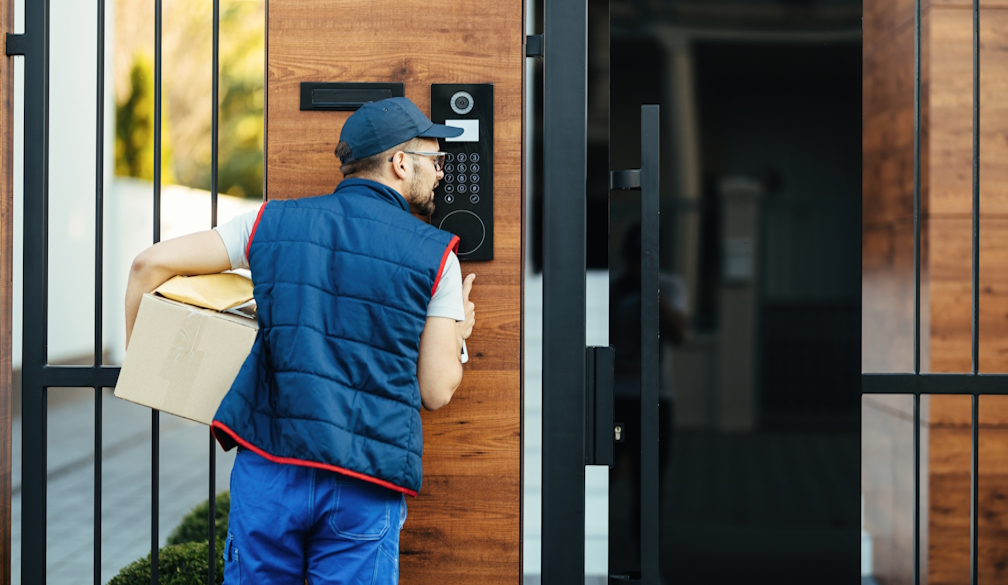
Temporary or scheduled access permissions can be useful for short-term visitors, delivery personnel, maintenance workers, or holiday accommodation guests. Homeowners can also remove or update access permissions instantly if needed, improving overall security management.
Some systems include activity tracking features that allow users to monitor entry history through connected mobile applications.
Home Security Technology Continues To Evolve
Smart home technology has expanded rapidly, and digital door locks are now commonly integrated with broader home automation systems. Many smart locks can connect with security cameras, alarms, lighting systems, and voice-controlled assistants to create more connected home security environments.
Integration with smart home platforms allows homeowners to automate security functions and receive real-time notifications regarding property access activity. These features help improve awareness and convenience while supporting stronger home monitoring capabilities.
As technology evolves, smart locking systems continue becoming more advanced and accessible for everyday residential use.
Smart Door Locks Support Different Property Types
Digital locking systems are now used across a wide range of residential properties including houses, apartments, townhouses, and rental accommodations. Property managers and landlords also benefit from smart lock technology because it simplifies tenant access management and reduces the need for physical key replacements between occupants.
Homeowners renovating or upgrading their properties often install smart locks as part of broader security improvements. Flexible design options allow smart locking systems to suit different door styles and security requirements.
Commercial properties may also use smart locks to improve controlled access for offices and restricted areas.
Security Features Continue To Improve
Modern smart door locks include various security features designed to improve protection against unauthorised access. Encryption technology, tamper alerts, automatic locking functions, and multi-factor authentication all contribute to stronger digital security performance.
Many systems also include backup access options such as emergency keys or battery backup features to maintain functionality during power or connectivity interruptions.
While no security system is completely risk-free, reputable smart lock systems are designed to meet evolving security expectations and technological standards.
Installation And Compatibility Matter
Choosing the right smart door lock requires consideration of door compatibility, installation requirements, and preferred access features. Some systems are designed for simple retrofit installation, while others may require more advanced setup depending on the property structure.
Professional installation can help ensure proper alignment, secure fitting, and reliable system operation over time. Homeowners should also consider connectivity options, battery performance, and compatibility with existing smart home devices before selecting a locking system.
Understanding long-term maintenance requirements is also important for reliable ongoing performance.
Smart Security Reflects Changing Lifestyles
Modern lifestyles increasingly prioritise flexibility, mobility, and remote accessibility. Smart door locks align with these expectations by offering greater control over property access while supporting connected living environments.
As more people adopt digital home technologies, demand for keyless entry systems and remote security management continues increasing. Smart locks provide a practical solution for homeowners seeking modern convenience alongside improved home protection.
The shift toward digital access systems reflects broader changes in how people interact with residential security technology.
Conclusion
Smart door locks continue transforming home security by combining digital convenience with advanced access control features. Improved flexibility, remote management capabilities, and modern security technology make smart locks an increasingly popular choice for residential properties. As connected home systems continue evolving, smart door lock solutions remain an effective way for homeowners to enhance both security and everyday convenience.


