

The Versatility and Value of Polished Concrete Flooring
- Written by Scene Magazine
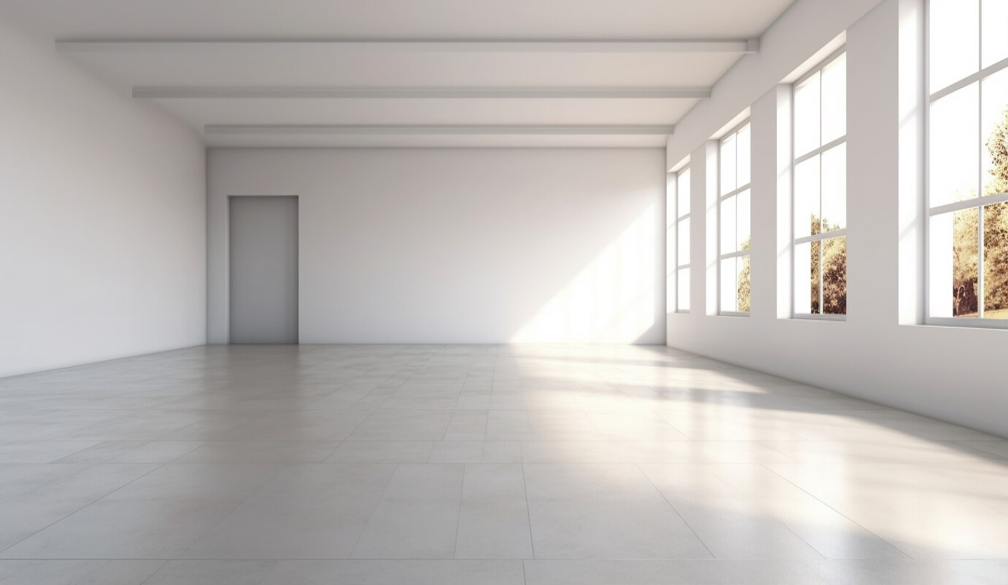
"Discover the world of professional concrete polishing! A comprehensive guide unveils the process and benefits you can expect."
Polished concrete has become a preferred flooring option across various settings due to its modern aesthetic, exceptional durability, and low maintenance requirements. Whether applied in residential or commercial environments, this flooring solution offers a seamless blend of form and function, making it an ideal choice for those seeking both practicality and style.
Applications in Residential Settings
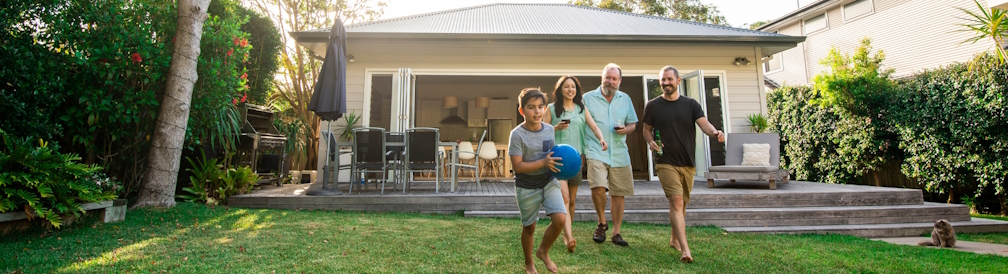
In the home, concrete polishing serves as a durable and attractive surface that suits a wide range of interior styles. Concrete polishing in Healesville is commonly used in kitchens, living areas, bathrooms, and hallways, offering a contemporary look that can either contrast or complement existing design features. Homeowners appreciate its natural texture and customisable appearance, with varying levels of stone exposure and gloss to suit personal tastes.
The surface is also hygienic, as it does not trap dust, allergens, or bacteria, an appealing feature for families with children or pets. In addition, underfloor heating systems can be installed beneath the slab, enhancing comfort without compromising the clean visual appeal.
Benefits for Commercial and Industrial Use
In commercial and industrial environments, polished concrete is chosen for its resilience under constant use. It handles high volumes of foot traffic with ease, making it suitable for retail premises, office buildings, warehouses, and hospitality venues. The hard-wearing nature of polished concrete means it resists scuffs, scratches, and chemical spills, reducing long-term maintenance costs and operational disruptions.
From a financial perspective, polished concrete offers excellent value. Its longevity reduces the need for frequent replacements or refurbishments, and its light-reflective properties can improve interior illumination, lowering energy consumption and contributing to sustainability goals.
Finishing Options for Varying Needs
One of the main advantages of concrete polishing is the flexibility it provides through various finishing options:
Mechanically Polished Concrete: This high-end finish involves refining the surface through multiple grinding and polishing stages. The result is a dense, glossy floor that is extremely durable and offers superior resistance to stains and abrasion. It’s an ideal solution for both visual impact and long-term performance.
Grind and Seal: A more cost-effective method, grind and seal involves grinding the concrete to the desired level of aggregate exposure and then applying a topical sealer. This creates a visually appealing finish with added protection against stains and moisture, though it may require more regular resealing than mechanical polishing.
Acid Etching: This treatment provides a textured, slip-resistant finish suitable for outdoor use or areas exposed to moisture. The etched surface offers a distinctive appearance and additional safety underfoot, making it practical for alfresco zones and walkways.
Epoxy Coatings: Particularly useful in commercial or industrial applications, epoxy coatings deliver a durable, non-porous surface that can withstand heavy machinery and chemical exposure. Available in a variety of colours and effects, epoxy also allows for the incorporation of safety markings or decorative elements.
Ease of Maintenance
A key advantage of polished concrete is the minimal maintenance it requires. Day-to-day cleaning typically involves dry dusting or damp mopping using a ph-neutral cleaner. The absence of joints or grout lines also means there are fewer places for dirt to accumulate.
Over time, a reapplication of sealant or repolishing may be needed, depending on the type of finish and the level of foot traffic. However, this upkeep is generally infrequent and straightforward, especially when compared to other flooring types that require regular waxing, deep cleaning, or replacement.
Sustainable and Cost-Effective Choice
Polished concrete aligns with sustainable building practices. By utilising an existing concrete slab as the finished surface, it eliminates the need for additional materials such as carpet, vinyl, or timber. This not only conserves resources but also reduces waste. Its light-reflective qualities enhance natural lighting, potentially reducing the need for artificial illumination.
In the long run, the reduced need for coatings, adhesives, and extensive maintenance contributes to cost savings.Combined with its durability and customizable appearance, polished concrete presents a practical investment for both residential and commercial properties, especially when installed by expert concreters Brisbane.
Conclusion
Polished concrete is a versatile, elegant, and sustainable flooring solution that caters to a wide variety of needs. From the home to the workplace, it delivers a sleek aesthetic, dependable performance, and long-term value. Its adaptability to different finishes and its ease of maintenance make it an increasingly popular choice for those seeking both beauty and function in one enduring surface.
FAQs
How long does polished concrete flooring typically last?
Polished concrete floors are known for their exceptional longevity. When properly installed and maintained, they can last for decades without the need for major repairs. The durability of the surface makes it ideal for both high-traffic commercial settings and busy residential environments.
Is polished concrete slippery?
Despite its smooth and glossy appearance, polished concrete is not inherently slippery when dry. Its slip resistance is comparable to many other hard flooring options. For added safety, especially in areas exposed to water or oils, additional treatments such as anti-slip sealers or textured finishes can be applied.
Can existing concrete slabs be polished?
Yes, in most cases, existing concrete slabs can be polished, provided they are structurally sound and free from major cracks or defects. The process begins with an assessment to determine the condition of the surface. Minor imperfections can usually be repaired before polishing begins, making it a practical upgrade for many existing floors.


