

Why Corten Steel Is Popular In Modern Architecture And Landscaping
Modern architecture and landscaping often require materials that combine durability with distinctive visual appeal. Among the materials widely used in contemporary design, corten steel has gained significant popularity because of its strength and its unique weathered appearance. The material develops a protective rust-like layer that gives structures a striking natural look while also improving durability.
This weathering property is the defining characteristic of corten steel. Unlike ordinary steel that corrodes continuously when exposed to the elements, corten steel forms a stable outer layer that protects the underlying metal from further corrosion. This makes it particularly suitable for outdoor structures, architectural facades, and landscape installations where long-term durability is required.
Understanding The Weathering Process
Corten steel is designed to react with environmental conditions in a way that protects the metal rather than weakening it. When exposed to moisture and air, the surface begins to oxidise, creating a protective patina. This layer acts as a barrier that slows further corrosion.
The development of this patina gives corten steel its distinctive reddish-brown colour. Over time, the colour may change slightly depending on environmental conditions, creating a dynamic appearance that evolves naturally.
Unlike painted or coated steel surfaces that require regular maintenance, the natural patina formed by corten steel eliminates the need for additional protective coatings. This characteristic makes it both practical and visually appealing for outdoor use.
Applications In Modern Architecture
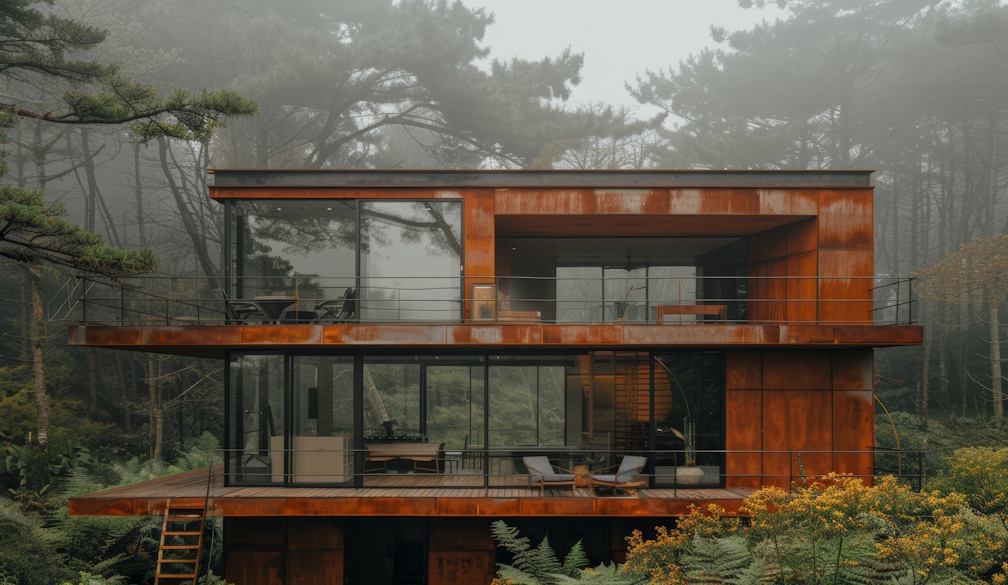
Architects frequently choose corten steel for building exteriors because it creates a strong visual identity while offering excellent structural durability. The material is often used for building facades, wall cladding, and decorative architectural panels.
The natural weathered finish of corten steel contrasts effectively with other materials such as glass, concrete, and timber. This combination allows architects to create modern designs that incorporate both industrial and natural elements.
Because corten steel requires minimal maintenance once the protective patina forms, it is particularly attractive for large-scale architectural projects. Buildings constructed with this material can maintain their appearance for many years without extensive upkeep.
Landscape Design And Outdoor Installations
Corten steel has also become a popular material in landscape design. Garden designers and landscape architects use it to create planters, retaining walls, sculptures, and decorative panels that enhance outdoor spaces.
The earthy colour of corten steel blends well with natural surroundings, making it ideal for parks, gardens, and public spaces. Over time, the evolving patina creates a visual connection between the structure and the surrounding environment.
The material’s durability ensures that outdoor installations can withstand weather exposure without deteriorating quickly. This reliability makes corten steel suitable for landscaping features that must remain structurally sound for many years.
Strength And Structural Reliability
In addition to its aesthetic appeal, corten steel provides strong mechanical properties that make it suitable for structural applications. The material retains the strength and load-bearing capabilities associated with conventional structural steel.
This strength allows corten steel to be used in bridges, outdoor structures, and industrial applications where structural stability is essential. Engineers often select the material because it combines durability with reduced maintenance requirements.
Because corten steel forms its own protective surface, structures built from this material can resist environmental damage more effectively than untreated steel.
Reduced Maintenance Requirements
One of the major advantages of corten steel is its low maintenance requirements. Traditional steel structures often require paint or protective coatings to prevent corrosion. These coatings must be inspected and replaced periodically to maintain effectiveness.
Corten steel eliminates much of this maintenance because the protective patina develops naturally. Once the patina stabilises, it acts as a long-term barrier against corrosion.
This characteristic reduces maintenance costs and labour associated with maintaining steel structures. For large architectural projects or outdoor installations, the long-term savings can be significant.
Environmental And Sustainability Considerations
Corten steel is also considered environmentally beneficial in certain applications. Because the material does not require regular painting or chemical coatings, fewer maintenance chemicals are used over the lifespan of the structure.
Steel itself is highly recyclable, and corten steel can be recycled at the end of its service life like other steel materials. This contributes to sustainable construction practices and supports resource conservation.
The long lifespan of corten steel structures further reduces the need for replacement materials, which helps minimise environmental impact.
Conclusion
Corten steel has become a preferred material for architects, engineers, and landscape designers who seek durability combined with a distinctive visual character. Its ability to form a protective weathered surface allows it to withstand environmental exposure while maintaining structural strength. From architectural facades to outdoor sculptures and landscape installations, corten steel offers a unique blend of functionality and aesthetic appeal that continues to shape modern design.


