

Top Construction Considerations for Modern, Efficient Living Spaces
Designing and building a modern home today goes far beyond aesthetics. Homeowners are increasingly focused on energy efficiency, indoor air quality, moisture control, and safe outdoor living spaces. Whether constructing a new property or renovating an existing one, thoughtful planning can reduce long-term costs, improve comfort, and enhance overall property value.
From mechanical systems behind the walls to lifestyle features in the backyard, smart construction decisions create living spaces that perform as beautifully as they look. Below are key considerations that every builder, developer, and homeowner should keep in mind when creating efficient, future-ready homes.
Prioritizing HVAC Efficiency and Air Duct Maintenance
Heating and cooling systems account for a significant portion of residential energy consumption. During construction or renovation, careful ductwork design, proper sealing, and correct system sizing are essential. Poorly installed or neglected duct systems can reduce efficiency, increase utility bills, and circulate dust throughout the home.
Routine maintenance plays a larger role than many homeowners realize. According to the EPA, cleaning air ducts can help homeowners reduce their energy expenses by 10–15%. Even a savings range of 10–15% can translate into substantial cost reductions over time, particularly in larger homes or in regions with extreme seasonal temperatures.
From a construction standpoint, professionals should focus on sealing duct joints to prevent leaks, minimizing sharp turns in duct runs, insulating ducts located in unconditioned spaces, and ensuring accessibility for future servicing. Energy efficiency is not merely a comfort upgrade; it directly impacts long-term operating costs and resale appeal.
Managing Indoor Humidity to Prevent Mold and Structural Damage
Moisture management is one of the most important aspects of residential construction. Excess indoor humidity can lead to mold growth, warped wood, damaged drywall, and compromised insulation. Conversely, air that is too dry can also create discomfort and material issues. The goal is balance.
Modern construction methods emphasize tighter building envelopes to improve energy performance. However, airtight homes require well-designed ventilation systems to maintain healthy indoor conditions. Proper grading around foundations, vapor barriers, and effective exhaust systems all contribute to moisture control.
Maintaining appropriate indoor humidity levels is critical. According to the EPA, keeping humidity between 30% and 60% can significantly reduce the risk of mold development. Staying within this 30% to 60% range protects structural components and supports healthier indoor air quality.
Builders can support long-term moisture control by installing whole-home dehumidifiers when necessary, venting bathrooms and kitchens directly outdoors, using mold-resistant materials in high-risk areas, and incorporating adequate drainage systems.
Designing Safe and Functional Outdoor Living Spaces
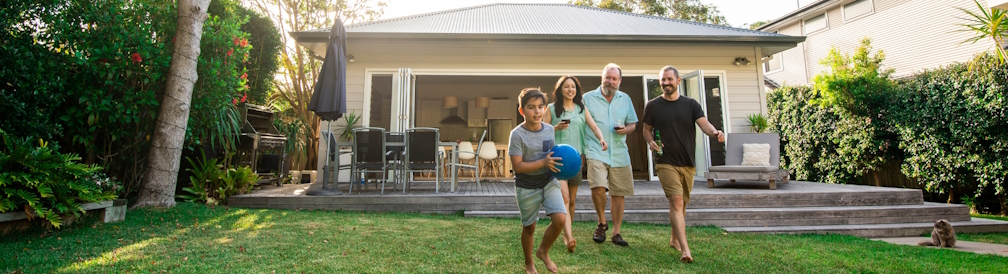
Outdoor living areas have become a defining feature of modern homes. Patios, decks, and outdoor kitchens extend usable square footage and enhance lifestyle appeal. When properly designed, these spaces can significantly increase a property’s desirability.
However, safety must be integrated into the design process. Fire hazards are a primary concern when incorporating outdoor cooking features. From a real estate perspective, outdoor living spaces are often viewed as high-value additions. Buyers appreciate backyard areas that are not only attractive but also compliant with safety best practices.
Strengthening the Building Envelope for Long-Term Performance
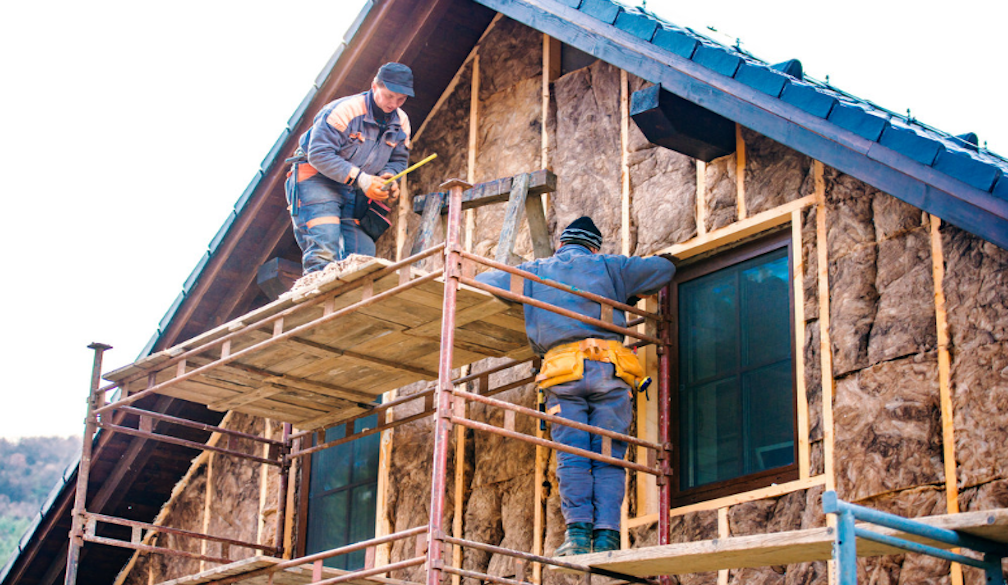
Beyond HVAC systems and moisture control, the overall building envelope plays a crucial role in efficiency. Insulation quality, window performance, roofing materials, and air sealing techniques collectively determine how well a home retains conditioned air.
High-performance construction may include energy-efficient windows with low-emissivity coatings, continuous insulation to reduce thermal bridging, proper attic ventilation, and careful air sealing around framing penetrations. When these elements are aligned, homeowners benefit from improved comfort, lower utility costs, and reduced strain on mechanical systems.
Top construction considerations for modern, efficient living spaces center on performance, safety, and sustainability. Cleaning air ducts can lower energy bills by 10–15%, maintaining indoor humidity between 30% and 60% helps reduce mold growth, and positioning outdoor grills at least 10 feet from combustible materials enhances safety.
By prioritizing HVAC efficiency, moisture management, and safe outdoor design, builders and homeowners can create properties that offer lasting value. In today’s evolving real estate landscape, efficiency and thoughtful construction are not optional upgrades; they are essential components of a truly modern living space.


