

Why Automatic Sliding Screen Doors Are Changing Modern Living Spaces
- Written by Scene Magazine
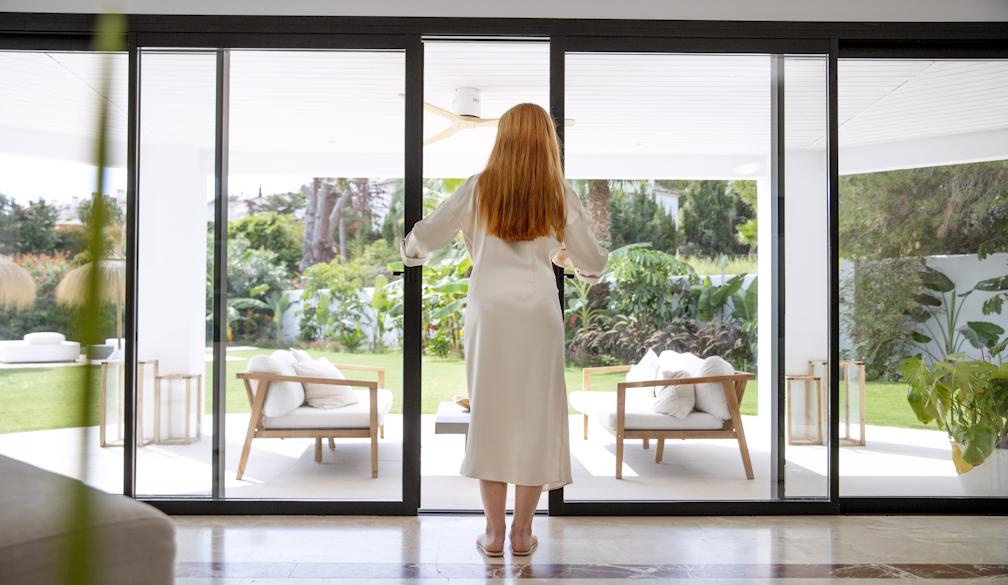
Modern living is all about comfort, convenience, and seamless transitions between indoor and outdoor spaces. This is where the automatic sliding screen door is making a noticeable difference, blending functionality with smart design. It allows fresh air to flow in while keeping insects and debris out, creating a balanced environment that feels open yet protected.
Unlike traditional doors, automatic sliding screen doors operate with minimal effort. Whether controlled by a remote, sensor, or switch, they glide smoothly, adding a touch of sophistication to any space. Incorporating quality architectural door hardware further enhances their durability and aesthetic appeal. This combination of ease and efficiency makes them an increasingly popular choice for modern homes and commercial settings.
Understanding How Automatic Sliding Screen Doors Work
Automatic sliding screen doors are designed to move horizontally along a track, powered by a motorised system. The mechanism ensures smooth and quiet operation, allowing the door to open and close effortlessly.
Sensors and control systems enhance functionality by enabling hands-free operation. This is particularly useful in high-traffic areas or for individuals who require easy access without manual effort.
The design also includes durable mesh screens that provide ventilation while acting as a barrier against insects. This ensures that the indoor environment remains comfortable and clean.
Benefits Of Installing Automatic Sliding Screen Doors
One of the most noticeable benefits is convenience. With automated operation, users can open and close the door without physical effort, making it ideal for busy households and commercial spaces.
Improved ventilation is another advantage. The screen allows fresh air to circulate freely, reducing the need for artificial cooling and creating a more comfortable indoor environment.
Energy efficiency also improves with proper airflow, helping reduce reliance on air conditioning systems. This contributes to lower energy costs and a more sustainable lifestyle.
Additionally, these doors enhance accessibility, making them suitable for individuals with mobility challenges. The ease of use ensures that everyone can move through spaces comfortably.
Enhancing Aesthetic Appeal And Property Value
Automatic sliding screen doors add a modern and stylish touch to any property. Their sleek design complements contemporary architecture, creating a clean and sophisticated look.
They also enhance the connection between indoor and outdoor spaces, making areas feel more open and inviting. This is particularly beneficial for homes with patios, balconies, or garden access.
From a property value perspective, these doors are an attractive feature for potential buyers. They reflect modern living standards and add to the overall appeal of the property.
Applications In Residential And Commercial Spaces
In residential settings, automatic sliding screen doors are commonly used for patios, balconies, and large windows. They provide easy access while maintaining comfort and protection.
Commercial spaces such as restaurants, cafes, and offices also benefit from these doors. They improve accessibility and create a welcoming environment for customers and employees.
High-traffic areas particularly benefit from automated operation, as it ensures smooth movement without delays. This improves efficiency and enhances the overall experience.
Choosing The Right Automatic Sliding Screen Door
Selecting the right door involves considering factors such as size, material, and functionality. High-quality materials ensure durability and long-term performance.
The type of control system is another important factor. Options such as remote controls, sensors, or manual overrides provide flexibility based on user preferences.
Professional installation is essential to ensure proper alignment and operation. This ensures that the door functions smoothly and reliably over time.
Maintenance And Long-Term Performance
Maintaining automatic sliding screen doors is relatively simple but important for long-term performance. Regular cleaning of the tracks and screens ensures smooth operation.
Checking the motor and control systems helps identify any potential issues early. This prevents unexpected breakdowns and ensures consistent performance.
With proper care, these doors can provide years of reliable use, making them a worthwhile investment.
The Future Of Smart Door Solutions
Technology is continuously improving automatic door systems, making them more efficient and user-friendly. Integration with smart home systems allows users to control doors remotely and monitor usage.
Energy-efficient motors and advanced sensors are enhancing performance while reducing energy consumption. These innovations make automatic sliding screen doors even more practical and sustainable.
As smart living continues to evolve, these doors will become an integral part of modern homes and businesses.
Conclusion: A Perfect Blend Of Comfort And Innovation
Automatic sliding screen doors offer a combination of convenience, efficiency, and modern design. They transform how spaces are used, creating a seamless connection between indoors and outdoors.
By investing in this innovative solution, property owners can enhance comfort, improve accessibility, and add value to their spaces. In today’s fast-paced world, solutions that simplify daily life while maintaining style are truly worth considering.


