

Commercial Roof Replacement: When And How To Do It?
- Written by Scene Magazine
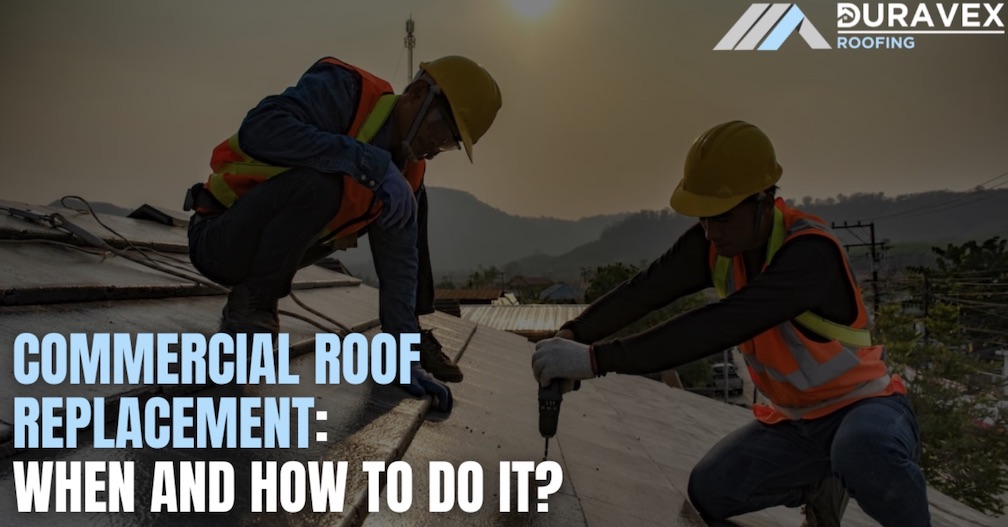
The roof of a commercial building plays a vital role in protecting the structure, its occupants, and valuable assets from the elements. However, over time, roofs deteriorate due to wear and tear, exposure to harsh weather conditions, and other factors. Commercial Roof Replacement becomes necessary when a roof reaches the end of its lifespan or suffers severe damage. This blog will explore when and how to approach commercial roof replacement, ensuring a smooth and successful process.
-
Signs That Indicate the Need for Commercial Roof Replacement
-
Roof Age
The first thing to be considered is the age of the roof. Most commercial roofs have a lifespan of 20 to 30 years, depending on the materials used and maintenance practices. If your roof is approaching or exceeding this age range, it is wise to consider a replacement, even if it appears in good condition.
-
Visible Damage
Inspecting your roof regularly for visible damage is crucial. Look for signs of cracking, blistering, peeling, or missing shingles or tiles. These issues can compromise the roof's integrity and lead to leaks and further deterioration.
-
Leaks And Water Damage:
Water infiltration is a clear indication that your roof needs attention. If you notice water stains on ceilings, walls, or inside the building, your roof likely has leaks. Promptly addressing leaks is essential to prevent further damage to the building's interior and contents.
-
Increased Energy Costs
An ageing or damaged roof may lose energy efficiency, resulting in higher heating and cooling costs. If your energy bills have been consistently rising without explanation, consider a roof replacement to improve insulation and reduce energy waste.
-
Mould and Mildew Growth
The mould or mildew on the roof or inside the building can indicate moisture intrusion. Mould growth poses health risks to occupants and indicates potential roof damage that needs to be addressed promptly.
-
Planning For Commercial Roof Replacement
-
Hire A Professional Roofing Contractor
When it comes to commercial roof replacement, hiring an experienced and reputable roofing contractor is crucial. Look for contractors with a proven track record, proper licensing, insurance coverage, and positive customer reviews. They will provide expert advice, thoroughly assess your roof, and guide you through the replacement process.
-
Roofing Material Selection
Selecting a perfect roofing material is a difficult decision. Consider factors such as durability, energy efficiency, maintenance requirements, and local building codes when selecting corrugated roof flashing nz. Common commercial roofing materials include single-ply membranes (EPDM, TPO, PVC), metal roofing, built-up roofing (BUR), and modified bitumen.
-
Obtaining Permits
Before initiating any construction work, ensure you have obtained the necessary permits and approvals from local authorities. Failure to comply with building codes and regulations can lead to delays, fines, or even the need to redo the project.
-
Budgeting And Financing
Commercial roof replacement can be a significant investment. Establishing a realistic budget and exploring financing options is essential if necessary. Consider the long-term benefits of a quality roof that will provide better protection and lower maintenance costs.
-
The Commercial Roof Replacement Process
-
Roof Inspection And Assessment
Once you have hired a roofing contractor, they will comprehensively inspect your existing roof. This assessment helps identify underlying issues, determine the scope of the replacement, and develop an accurate cost estimate.
-
Tear-off And Preparation
In most cases, the existing roof must be removed before installing the new one. This process involves stripping away old materials, inspecting the roof deck for damage, & making necessary repairs. Proper preparation ensures a solid foundation for the new roof.
-
Installation of New Roofing System
The installation process will vary depending on the chosen roofing material. It typically involves laying down the underlayment and applying the selected roofing material, such as membrane sheets, metal panels, or shingles. The process requires precision, adherence to manufacturer guidelines, and skilled craftsmanship.
-
Roof Flashing And Waterproofing
Flashing, which refers to the materials used to prevent water penetration at vulnerable areas such as roof edges, valleys, and penetrations, is crucial for a watertight roof. Pay close attention to flashing details and ensure proper sealing and waterproofing during the replacement process.
-
Quality Assurance And Cleanup
Once the new roof is installed, the contractor should perform a thorough inspection to ensure the quality of workmanship and address any minor issues promptly. They should also clean up the job site, removing debris and materials related to the replacement.
-
Maintaining Your New Commercial Roof
-
Regular Inspections And Maintenance
After investing in a new commercial roof, it is vital to establish a regular inspection and maintenance routine. Inspections should be conducted at least twice yearly, with additional checks after severe weather events. Promptly addressing any identified issues can extend the lifespan of your roof and prevent costly repairs.
-
Clearing Debris And Keeping Drains Clear
Regularly removing debris, such as leaves, branches, and trash, from the roof surface and gutters prevents water pooling and potential damage. Keeping drains clear ensures proper water flow and reduces the risk of leaks and structural issues.
-
Addressing Repairs And Leaks Promptly
Even with proper maintenance, occasional repairs may be required. It is crucial to address any leaks or damage to prevent further deterioration promptly. Contact your roofing contractor if you notice any trouble or suspect an issue.
Conclusion
When it comes to commercial roof replacement, choosing the right roofing brand is crucial. One brand that stands out in terms of quality and reliability is Duravex. With its commitment to excellence and innovative roofing solutions, Duravex has established itself as a trusted name in the industry.
By opting for Duravex products for your commercial roof replacement, you can benefit from their durable materials, advanced technology, and extensive warranty coverage. Duravex offers a range of roofing options, including single-ply membranes, metal roofing, and built-up roofing, ensuring that you find the perfect fit for your needs.
A commercial roof replacement is a significant investment; choosing the right brand is essential for long-term success. Consider Duravex as your trusted partner in achieving a durable, reliable, and high-performing roof that will protect your commercial property for years to come.


