

Termite Protection: Key Differences Between Treatments & Barriers
Whether you own a home or operate a business, knowing how termite treatments differ from termite barriers helps you choose the most appropriate form of protection.
No matter which option you consider, a termite problem can have serious consequences for any property. Structural damage, expensive repairs, loss of property value, safety concerns, higher stress levels and insurance restrictions are all common outcomes of termite activity. Acting early with a suitable prevention or control strategy can save significant time, money and disruption.
If you are exploring termite protection options, professional guidance can help you make the right choice. This article breaks down the differences between termite treatments and termite barriers, helping you make informed decisions to safeguard your property and living environment.
Why Termite Protection Needs a Tailored Approach
Whether a technician recommends a termite treatment or a barrier system, it is important to recognise that effective termite management is not a universal solution.
Treatments are designed to address an existing problem, while barriers are installed to prevent termites from gaining access in the first place. The level of termite risk, building construction and surrounding environment differ widely from one property to another. A qualified professional will assess these variables before recommending the most suitable approach.
Construction features such as slab design, timber use, drainage systems and subfloor accessibility influence how termites behave around a building. Older structures often present different vulnerabilities compared to newer builds.
Environmental factors also play a role. Soil composition, moisture levels and surrounding vegetation can affect termite movement and the effectiveness of barrier systems. In some cases, certain soil types may reduce the performance of particular barrier methods, requiring alternative solutions.
Because of these variations, generic termite solutions often fail to address specific risk points. A property specific termite management plan delivers more reliable protection and better long term value.
What Termite Treatments Are Intended to Achieve
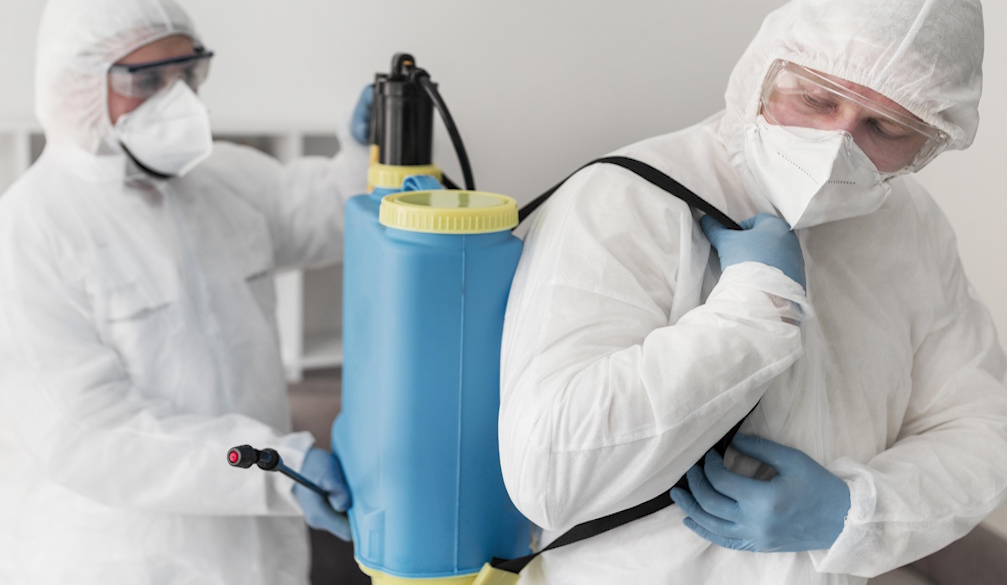
Termite treatments are used to remove active infestations and limit further damage to a structure. They are typically more invasive than barrier systems, as they involve targeted chemical applications and, in some cases, temporary vacating of the premises. This disruption is often necessary once termites are already present.
In some situations, baiting programs and localised treatments are used to eliminate termites at the source. The focus of termite treatments is to resolve an existing issue rather than provide ongoing preventative protection.
Methods Used to Control Active Infestations
Professional pest controllers may apply a combination of treatment options, including:
Liquid termiticides
Liquid chemical treatments are applied to affected areas or the surrounding soil. These create treated zones that kill termites on contact or prevent further movement into protected areas.
Baiting systems
Bait stations attract termites, which carry the active ingredient back to the colony. The slow acting formulation allows the treatment to spread throughout the nest, reducing the population over time.
Fumigation
Fumigation is generally reserved for severe infestations. The building is sealed and treated with gas to eliminate termites throughout the structure.
What Termite Barriers Are Designed to Do
Termite barriers are installed around a building’s perimeter or foundation to prevent termites from accessing timber components. These systems may be physical or chemical and are commonly installed during construction or added to existing structures.
Barriers do not eliminate termites already present within a building. Instead, they act as a protective measure by blocking or discouraging entry, forcing termites to divert to other food sources or exposing their activity for detection.
How Barriers Prevent Future Entry
Termite barriers reduce the likelihood of future infestations through two main methods:
Physical barrier systems
These include materials such as stainless steel mesh, specialised plastic membranes and graded stone or sand layers that termites cannot penetrate.
Chemical barrier systems
Chemical barriers rely on treated soil zones that deter or eliminate termites attempting to pass through. These may be applied as:
- Soil applied treatments around foundations
- Reticulation systems that allow termiticides to be reapplied over time to maintain protection
Why Treatments and Barriers Serve Different Functions
Termite treatments respond to an active infestation, whereas barriers are designed to prevent termites from gaining access. Treatments address the existing colony, while barriers focus on blocking entry pathways.
Treatments may require additional follow up depending on the level of activity, whereas properly installed barriers can offer protection for many years when maintained correctly. Understanding these roles helps property owners select the most appropriate solution for their circumstances.
Do You Need Treatment, Barriers or a Combination
If termites are currently active and damage is visible, treatment is usually required to stop further deterioration. For example, hollow sounding timber floors or visible structural damage indicate the need for immediate intervention.
If no infestation is present, a barrier system is often recommended to provide preventative protection. Barriers are also commonly installed during renovations or extensions to safeguard newly exposed timber elements.
In some cases, combining treatment with barrier protection offers the most comprehensive solution. This approach is suitable where termites have been present previously or where a property has multiple risk factors.
Why Professional Inspections Matter
Routine termite inspections are essential for protecting both residential and commercial properties. Data from Queensland authorities highlights the risks associated with timber structures such as decks and balconies, where termite related deterioration can contribute to serious safety hazards if left undetected.
Professional inspections allow technicians to assess termite activity, identify moisture issues, locate concealed access points and evaluate the condition of structural timber. Early detection enables targeted action before damage escalates into major structural or financial problems.
Inspection reports also support the development of a tailored termite management plan that reflects the specific risks of each property.
Conclusion
Effective termite management requires a tailored strategy rather than a standardised solution. Understanding how termite treatments differ from barrier systems allows you to choose the most appropriate protection for your property.
Treatments address existing infestations, while barriers are designed to prevent termites from gaining access in the future. Seeking advice from a pest control company that specialises in termite control in North Brisbane ensures your chosen solution aligns with your building type, environment and risk profile.


