

Security Fencing: Strengthening Protection for Commercial and High-Risk Sites
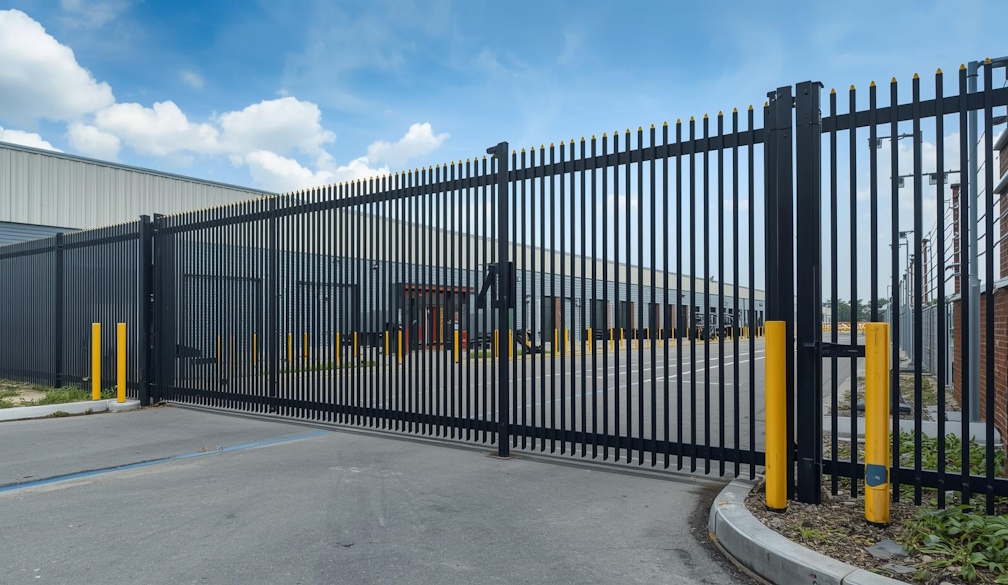
Effective security fencing is a cornerstone of modern property protection, particularly for commercial, industrial, and high-risk environments. More than a boundary marker, security fencing acts as a physical barrier, a visual deterrent, and a controlled access solution that safeguards people, assets, and operations. When designed and installed correctly, it becomes an integral part of a broader security strategy rather than a standalone feature.
As sites grow more complex and risks more varied, the demand for robust security fencing continues to rise. Businesses, institutions, and infrastructure operators rely on fencing systems that deliver durability, compliance, and performance under pressure, all while integrating seamlessly with gates, access control, and surveillance.
Why Security Fencing Is Essential Today
Security threats are no longer limited to after-hours trespass. Sites face risks ranging from theft and vandalism to unauthorised access during operating hours. Security fencing provides an immediate and continuous layer of protection that reduces vulnerability and sets clear limits.
A well-designed fence discourages opportunistic intrusion by increasing effort and visibility. It also defines controlled entry points, enabling better monitoring and management of who enters and exits a site. This clarity is essential for workplaces that must meet safety and compliance obligations.
Applications Across Commercial and Industrial Environments
Security fencing is widely used across warehouses, factories, logistics hubs, schools, utilities, and commercial precincts. Each environment presents unique challenges, from high traffic volumes to sensitive assets that require additional protection.
In industrial settings, fencing must withstand heavy use and environmental exposure while maintaining integrity. In commercial areas, it often needs to balance security with professional appearance. Effective security fencing solutions adapt to these varied needs without compromising performance.
Design Principles That Improve Security Outcomes
The effectiveness of security fencing depends on thoughtful design as much as material strength. Height, visibility, and configuration all influence how well a fence performs as a deterrent and barrier.
Clear sightlines are particularly important. Fencing that allows visibility reduces blind spots and supports surveillance systems. At the same time, anti-climb features and secure fixings prevent easy access. These design elements work together to strengthen overall site security.
Material Selection and Performance Expectations
Material choice plays a significant role in the durability and effectiveness of security fencing. Different environments require different performance characteristics, including resistance to impact, corrosion, and tampering.
Professional security fencing solutions consider long-term exposure and usage demands. Selecting materials that maintain strength and appearance over time reduces maintenance requirements and ensures the fence continues to perform its protective role reliably.
Integration With Access Control and Surveillance
Security fencing is most effective when integrated with complementary systems. Gates, access control technologies, and surveillance cameras all benefit from being supported by well-planned fencing layouts.
By directing movement through designated access points, fencing enhances the effectiveness of electronic controls and monitoring. This integration creates a layered security approach that is far more robust than relying on individual measures alone.
Compliance and Regulatory Considerations
Many sites are subject to regulations that influence fencing requirements. These may relate to safety, access control, or operational standards. Security fencing must often meet specific criteria regarding height, spacing, and construction.
Professional installation ensures these requirements are met from the outset. Compliance reduces legal risk and avoids costly modifications later, while also demonstrating due diligence in site management.
Balancing Security and Aesthetics
While performance is paramount, appearance also matters, especially in commercial settings. Security fencing should project professionalism and order rather than creating an unwelcoming environment.
Modern security fencing solutions are designed to balance strength with clean lines and consistent finishes. This approach supports brand image and public perception while maintaining high security standards.
Durability in Challenging Conditions
Australian conditions can be demanding, with heat, wind, and exposure placing constant stress on outdoor structures. Security fencing must be built to handle these factors without degrading or losing effectiveness.
Quality installation ensures posts are anchored correctly and components are secured to withstand movement and impact. This durability is essential for sites that operate continuously and cannot afford security downtime.
Reducing Risk and Supporting Safety
Beyond preventing unauthorised access, security fencing supports workplace safety. Clear boundaries reduce the risk of accidental entry into hazardous areas and help manage pedestrian and vehicle movement.
In environments such as factories or utilities, fencing plays a role in risk management by separating people from dangerous equipment or processes. This protective function contributes to safer operations overall.
Long-Term Value and Cost Efficiency
Investing in quality security fencing delivers long-term value. While initial costs may vary, durable fencing reduces ongoing maintenance and replacement expenses. It also helps prevent losses associated with theft, damage, or operational disruption.
From a business perspective, security fencing is a preventative investment. By reducing risk exposure, it supports continuity and protects assets over time.
Custom Solutions for Complex Sites
No two sites are identical. Terrain, layout, and operational needs all influence fencing design. Security fencing solutions must be tailored to fit site-specific challenges, whether that involves sloping ground, restricted access points, or high-traffic zones.
Custom planning ensures the fence integrates smoothly with the environment and supports practical use. This adaptability is especially important for large or irregular sites.
Installation Quality and Professional Expertise
The performance of security fencing depends heavily on installation quality. Poor alignment, weak foundations, or incorrect fixings can undermine even the strongest materials.
Professional installers bring experience and precision to each project. Their expertise ensures fencing systems are constructed correctly, function as intended, and meet performance expectations over time.
Final Thoughts
Security fencing is a vital component of effective site protection, offering a constant and visible layer of defence. When designed and installed professionally, it strengthens access control, supports safety, and protects valuable assets. For commercial and high-risk environments, investing in robust security fencing delivers lasting value, reduced risk, and confidence that security measures are working around the clock.


