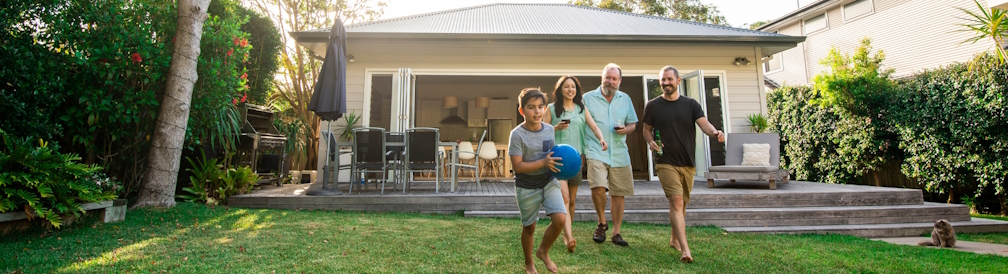


Automatic Sliding Screen Door and Effortless Indoor–Outdoor Living
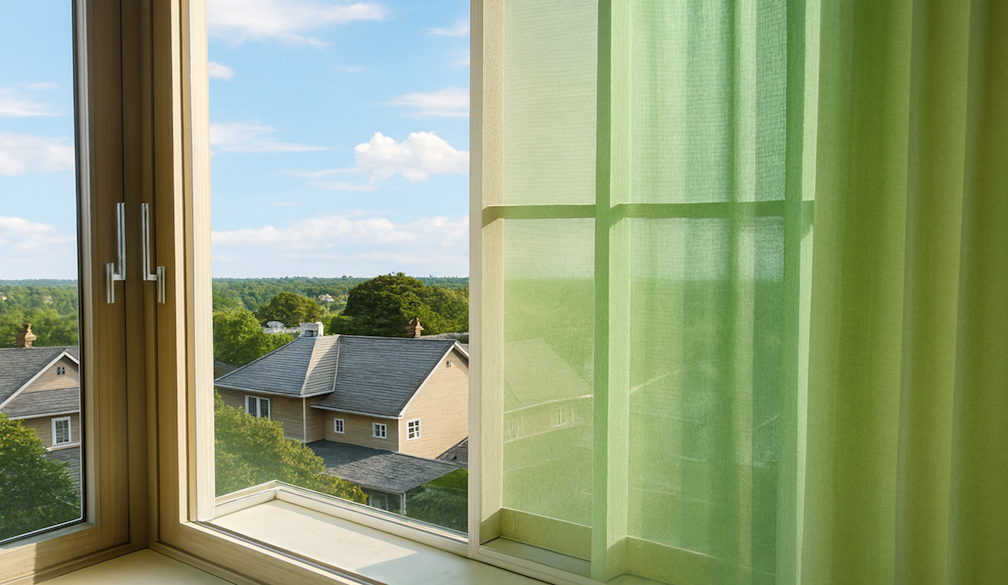
Modern homes are increasingly designed to blur the line between indoors and outdoors, and the automatic sliding screen door has become a natural extension of that lifestyle shift. Instead of manually opening and closing doors every time someone moves between spaces, automation introduces a smoother, more intuitive way to manage airflow, access, and comfort. With a simple sensor trigger or control system, the door glides open and closed, allowing fresh air in while keeping insects and debris out.
This type of door is especially valuable in homes where movement is frequent. Families with children, elderly residents, or pets benefit from hands free operation that reduces physical effort and improves safety. The screen element ensures ventilation without compromising hygiene, which is particularly important during warmer months when doors are often left open for extended periods.
How Automation Enhances Everyday Comfort
An automatic sliding screen door is designed to respond to movement rather than force. Sensors detect approach and activate the mechanism, opening the door smoothly and closing it securely once the passage is clear. This consistent operation removes the frustration of doors being left open or slammed shut, creating a more controlled environment.
Comfort is not only about convenience but also about climate control. By encouraging airflow without exposing the interior to insects, automated screen doors help regulate indoor temperatures naturally. This can reduce reliance on air conditioning, supporting more energy-conscious living while maintaining comfort.
Noise reduction is another subtle benefit. High quality automated systems operate quietly, avoiding the rattling or banging associated with traditional screen doors, making screen door repair less frequent. This creates a calmer living space, particularly in homes that prioritise open layouts and outdoor connectivity.
Design Integration and Aesthetic Appeal
Modern automated screen doors are designed to complement contemporary architecture. Slim frames, discreet tracks, and neutral finishes allow them to blend seamlessly into existing doorways. Rather than appearing as an add on, they become part of the overall design language of the home.
Flexibility in sizing and configuration allows these doors to suit a wide range of openings, from standard patios to expansive alfresco areas. This adaptability makes them suitable for both new builds and renovations, supporting modernisation without extensive structural changes.
Visual transparency is another important feature. Fine mesh screens maintain outward visibility while still providing protection. This ensures outdoor views remain unobstructed, preserving the sense of openness that defines indoor–outdoor living.
Practical Benefits for Different Households
Households with pets often find automated screen doors particularly useful. Pets can move freely between indoor and outdoor areas without constant supervision, while the screen prevents unwanted entry from insects or small animals. This balance of freedom and control supports both convenience and cleanliness.
For accessibility focused homes, automation removes barriers. Individuals with mobility challenges benefit from doors that respond automatically, reducing the need for physical strength or precise handling. This inclusive design approach supports independent living and long-term comfort.
Entertaining also becomes easier. When hosting gatherings, guests can move between spaces without creating congestion around doorways. The smooth operation keeps traffic flowing, supporting relaxed and social environments.
Durability and Reliability in Daily Use
Automated sliding screen doors are engineered for frequent operation. Motors, tracks, and sensors are designed to withstand repeated cycles without compromising performance. Quality materials resist wear from weather exposure, ensuring long-term reliability even in coastal or high-use environments.
Maintenance requirements are minimal. Periodic cleaning of tracks and sensors helps maintain smooth operation, while routine inspections ensure components continue to function correctly. This low-maintenance profile appeals to homeowners seeking convenience without ongoing effort.
Weather resistance also plays a role. Screens and frames are built to handle wind, rain, and sun exposure, maintaining performance throughout changing seasons. Proper installation ensures alignment and sealing, preventing gaps or operational issues.
Technology and Control Options
Automation systems can be tailored to suit different preferences. Motion sensors provide hands-free operation, while remote controls or wall switches offer manual override when needed. Some systems integrate with smart home platforms, allowing users to control doors alongside lighting and climate settings.
Safety features are built into modern designs. Obstacle detection prevents the door from closing if something is in the way, protecting people and pets. This intelligent response enhances trust in the system and supports everyday use without concern.
Customisable settings allow users to adjust opening speed, hold open time, and sensitivity. This flexibility ensures the door behaves in a way that aligns with household routines rather than disrupting them.
Energy Efficiency and Sustainable Living
By promoting natural ventilation, automated screen doors contribute to more efficient energy use. Fresh air circulation reduces the need for artificial cooling, particularly during mild weather. Over time, this can support lower energy consumption and a more comfortable indoor climate.
Screens also reduce the need for chemical insect control by physically preventing entry. This supports healthier living environments and reduces reliance on sprays or electronic deterrents.
The materials used in quality systems are often selected for durability and longevity, reducing replacement frequency and waste. This aligns with broader sustainability goals increasingly valued in modern housing design.
Installation and Professional Expertise
Successful performance depends on precise installation. Professional installers assess doorway dimensions, structural alignment, and usage patterns to ensure the system operates smoothly. Correct calibration of sensors and motors is essential for reliable automation.
Expert installation also ensures compatibility with existing doors and frames. This attention to detail prevents issues such as misalignment or excessive wear, protecting the investment over time.
Clear guidance during installation helps homeowners understand system operation and maintenance. This knowledge supports confident use and long term satisfaction.
By combining smart technology with practical design, automated sliding screen doors offer a refined solution for modern living. They transform everyday transitions into smooth experiences, reinforcing the idea that comfort often comes from systems that simply work, quietly and reliably, in the background.


