

Choosing an Automatic Sliding Screen Door for Everyday Comfort
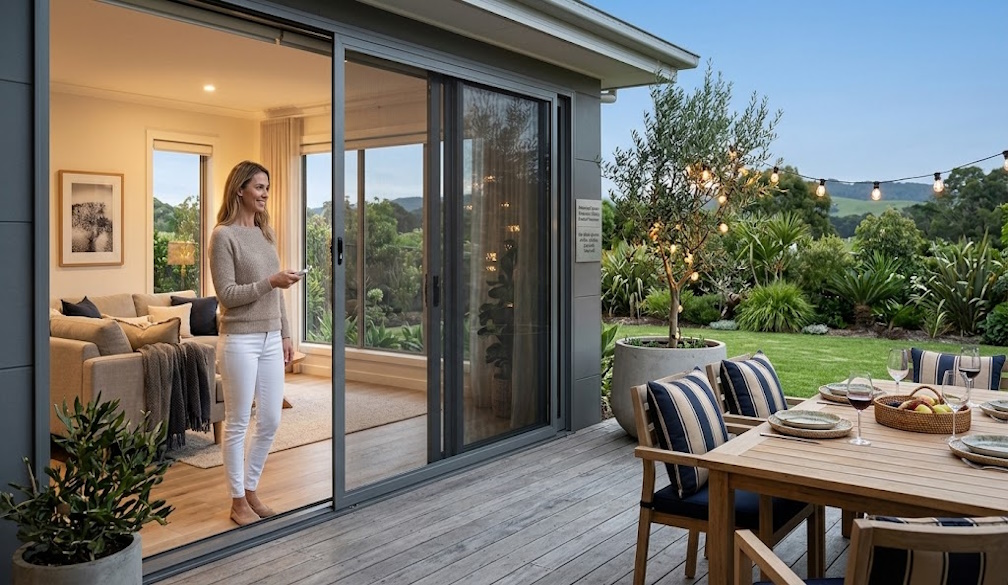
An automatic sliding screen door can make a large doorway easier to use while helping keep insects outside and fresh air moving through the home. For properties with wide glass doors opening onto a patio, deck or alfresco area, automated screening offers a way to manage the opening without repeatedly moving a manual screen by hand. AD Innovations supplies automated screen solutions, and choosing a suitable system starts with considering the size of the opening, how the space is used and the finish that best fits the property.
How Automated Screening Changes Daily Use
A screen is most useful when it works naturally with the way people move between indoor and outdoor spaces. A motorised system can be opened when occupants want an unobstructed view or access to the patio, then closed when they want to reduce insect entry. An automatic sliding screen door can be especially practical for frequently used living areas, where a manual screen may otherwise be left open simply because operating it is inconvenient.
Think about who will use the doorway and how often it needs to open. Families may want simple controls that are easy to operate, while a space used for entertaining may need a screen that handles frequent movement. Consider whether furniture, curtains or nearby fittings could interfere with the screen’s travel. Discuss these details before selecting a configuration so the system suits the real layout rather than only the dimensions on a plan.
Check the Opening and Track Requirements
The dimensions and condition of the doorway influence the system that can be installed. Measure the width and height of the opening and note any uneven surfaces, existing tracks, thresholds or obstructions. Large spans may require a different configuration from a standard patio doorway, so a site assessment can help confirm what is practical. It is also useful to discuss how the screen will sit when retracted and whether its frame and tracks can be integrated neatly with the surrounding architecture.
An automatic sliding screen door should be selected with its installation conditions in mind. The screen needs a suitable path to move along, and the surrounding structure must accommodate the required components. If the home is being renovated, coordinate the screen design with door frames, flooring and other finishes before those elements are finalised. Early planning can reduce the need for adjustments later and help the finished installation look considered.
Ventilation Without Unwanted Insects
Screening can make it easier to enjoy natural airflow without leaving a doorway completely open. This can be useful during mild weather when occupants want a breeze through living areas rather than relying entirely on mechanical cooling. The benefit depends on the home’s layout, the direction of the breeze and the availability of other openings, so screening should be considered as one part of the overall ventilation plan.
An automatic sliding screen door can also help connect indoor rooms with outdoor entertaining areas while maintaining a visible boundary. Before choosing mesh or other screen components, ask about the options available for the intended opening and the trade-offs between visibility, airflow and durability. Product specifications matter, and the right choice should reflect the property’s exposure, everyday use and maintenance preferences.
Appearance, Operation and Maintenance
A screen should complement the home rather than dominate the doorway. Consider frame colour, visible tracks, how the system retracts and how it relates to the existing doors. A well-planned automatic sliding screen door should feel like a considered part of the opening, particularly where large glass panels and outdoor views are important design features.
Ask the supplier how the motorised system is operated and what routine care is recommended. Keeping tracks clear of grit and debris, following cleaning guidance and arranging attention if movement becomes irregular can help maintain reliable operation. Avoid forcing the screen if it stops or moves unevenly; check the manufacturer’s instructions and seek appropriate service instead. Understand any product-specific requirements before installation so ongoing care is straightforward.
Plan Around Your Home, Not Just the Product
The best system depends on the opening, household habits and design priorities. Consider whether the screen will be used daily, whether unobstructed access is needed at certain times and how the screen will look when it is not in use. Ask about the installation process, expected site preparation and what is included in the proposal. Clear answers make it easier to compare options on more than appearance alone.
AD Innovations offers automated screening solutions for residential spaces and different opening styles. If you are considering an automatic sliding screen door, share the opening dimensions, photographs and details about how the doorway is used. This information can help the team discuss a configuration suited to the property. A well-matched screen can make the connection between indoors and outdoors more practical while preserving the flexibility to open the space when desired.


