

First Impressions Start at the Kerb: The Weekend Front Garden Refresh for Spring Sellers
As Melbourne's spring auction season peaks, a local landscape supplier says stone is one of the quickest ways to tidy a front garden before buyers arrive.
Melbourne's spring property market is in full swing. CoreLogic figures for the weekend of 4 and 5 October 2026 showed 714 scheduled auctions across the city, with a preliminary clearance rate of 59.5%, and October is traditionally Melbourne's busiest auction month.
For sellers, that means inspection weekends and listing photos. The front garden is the first thing buyers see, both at the gate and in the listing photos.
A bare or patchy garden bed is one of the easiest problems to fix in a weekend. Melbourne supplier Soilworx says decorative stone is also one of the few landscaping decisions homeowners only need to make once.
Matching stone to the house
The best decorative pebbles for gardens are the ones that suit the home behind them. Soilworx, which supplies Victoria from yards in Deer Park, Pakenham and Werribee, sells its decorative range under the Stylescape brand, and each stone does a different job at the front of a house.
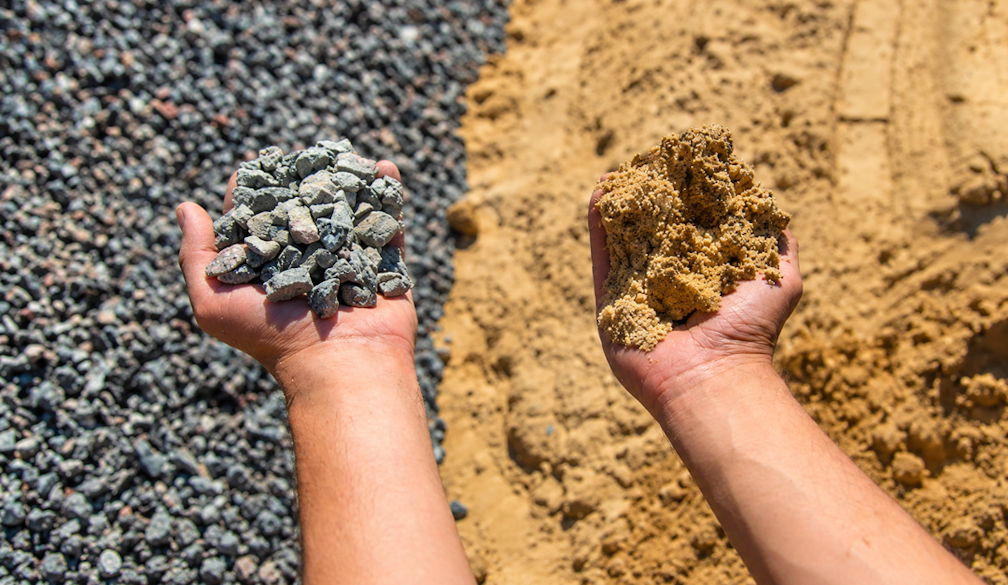
For contemporary homes, Soilworx points to Oriental Spark® 20mm, a granitic stone in dark grey and white that creates strong contrast against pale paving or rendered walls. For a warmer look, Safari® 20mm is an angular sandstone in yellow, gold and red, widely known as Tuscan stone and the company's most popular small garden rock. Utopia® 20mm, a rounded river pebble with quartz and mica veins, gives a softer finish to beds and borders.
White stone is the most common source of disappointment, according to Soilworx. Whiteness comes from the parent rock, not a coating. Arctic Quartz is genuine quartz, so it holds its colour, while softer white stones dull faster, especially under trees or near a driveway.
Scale for a front garden
Size changes how a garden reads. Soilworx suggests 7mm to 20mm for courtyards and narrow borders, and 20mm to 80mm for open beds and larger front gardens. Large stone in a small bed makes it look smaller, while fine gravel across a big area barely registers.
Because colour reads differently in the sun and next to real paving and render, Soilworx encourages buyers to see the stone in person at one of its yards rather than choosing from a screen.
A one weekend job
A front bed refresh is well within reach before the next open for inspection. Soilworx's own installation advice keeps it simple:
- Clear the bed of weeds, roots and old mulch.
- Set edging first, so stone stays out of the lawn.
- Lay woven geotextile weed mat, not plastic, so water still reaches the soil.
- Spread the stone about 50mm deep for 20mm pebbles, then rake it level.
- Hose it down to wash off quarry dust and bring up the colour before photos are taken.
To work out how much to order, multiply length by width by depth. At 50mm deep, one cubic metre covers 20 square metres, and Soilworx suggests adding about 10% for uneven ground.
Where stone works best, and where it does not
Soilworx recommends stone for front gardens, driveway borders, pot toppings and beds of natives or succulents that will not be dug over. It advises against loose pebbles as a driveway surface, since they move under tyres, and against stone in vegetable beds, where the soil needs feeding.
For sellers, the appeal is that the result lasts. Stone does not break down like organic mulch, so a bed laid for spring inspections will still look tidy for the next owner.
With almost 40 years in the industry, Soilworx supplies decorative stone from bagged quantities to bulk loads, with GPS tracked delivery across Victoria and collection available from all three of its yards.


