

Tree Too Close to Your House? How to Assess the Risks and Your Options
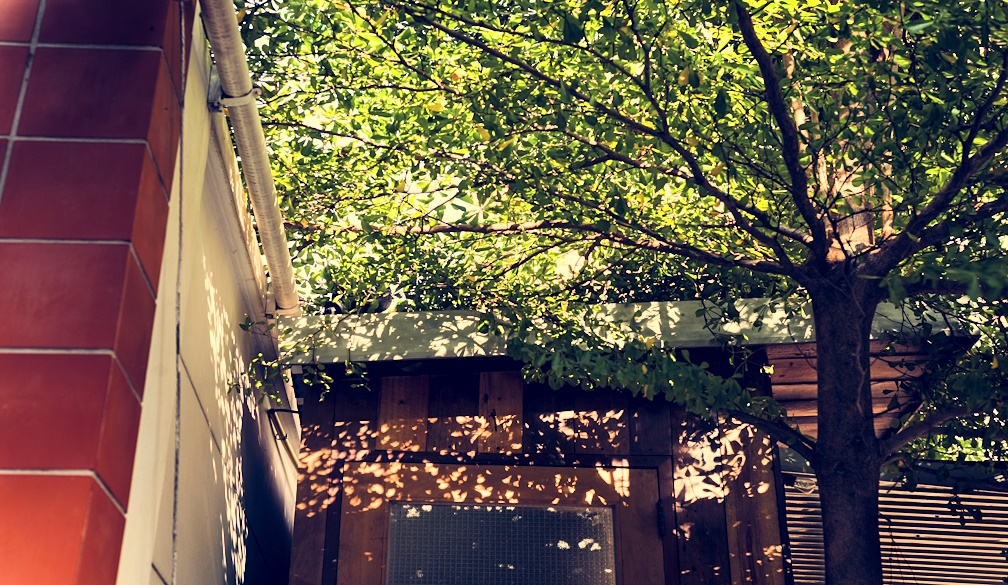
A mature tree beside a house can provide shade, privacy and a pleasant outlook. It can also raise concerns when branches reach the roof, roots lift nearby paving or the trunk appears to lean towards the building.
But proximity alone does not mean a tree is dangerous or needs removal. Its condition, species, growing space and relationship with the house all matter. A healthy tree with a sound structure may be manageable close to a building, while a smaller tree with damaged roots or weak branches may need attention sooner.
Before deciding to prune or remove it, identify the problem you are trying to solve. Roof contact, blocked gutters, root conflicts and structural defects each require a different approach.
How close is too close?
There is no single distance that suits every tree and house. A tree’s mature size matters, but so do its growth habit, root system, soil conditions and the construction of the building.
A small ornamental tree may fit comfortably in a space that would be unsuitable for a large spreading species. Similarly, two trees of the same size may present different concerns if one has sound branches and the other has decay or damaged roots.
Assess the space the tree will need as it grows. Are branches already touching the building? Is there enough room for future growth without repeated heavy pruning? Have paths or driveways restricted the area available for roots?
These questions are more useful than measuring the trunk’s distance from the wall and assuming removal is necessary.
Branches touching the roof or walls
Branches that contact roofing, gutters or walls can cause problems as they move and grow. They may rub against surfaces, obstruct access for maintenance or drop leaves into gutters.
Some clearance may be achievable through selective pruning. The aim is to remove or shorten appropriate branches while preserving the tree’s structure and enough healthy foliage.
Avoid simply cutting every branch back to the property line or reducing the top of the tree to make it smaller. Poorly planned pruning can leave large wounds, encourage weak regrowth and create an ongoing maintenance problem.
For significant branches near a house, seek advice from qualified arborists. They can assess which cuts are appropriate and whether pruning will provide a workable level of clearance.
Roots lifting paths or growing near foundations
Roots beneath a path or driveway can displace paving as they grow. This may create a trip hazard or make the surface difficult to use. However, repairing the paving without considering the tree’s growing space can allow the same conflict to return.
Depending on the site, options may include rerouting a path, changing its design or assessing whether a particular root can be pruned. Important roots help anchor the tree, so cutting them to flatten a path can have consequences beyond the paving.
Foundation concerns require a separate investigation. A tree near a cracked wall is not automatically responsible for the damage. Building movement can relate to drainage, soil conditions, construction issues or other factors.
In some soils, a tree’s water uptake can affect moisture around footings and contribute to movement. Removing the tree can also change soil moisture conditions. If you suspect foundation damage, arrange an assessment by an appropriately qualified building professional before making decisions about the tree.
Signs that warrant a closer inspection
A tree’s condition is often more important than its distance from the house. Look for changes that could indicate declining health or structural weakness.
Large dead branches, hanging limbs, significant cracks and cavities deserve attention. Fungal growth on the trunk or around the base may indicate decay, although it cannot tell a homeowner how much sound wood remains inside.
A newly developing lean is another reason to arrange an inspection, particularly if the ground is lifting or cracking around the roots. Some trees have grown at an angle for years, so a longstanding lean and a recent change should not be treated as the same situation.
If a tree appears unstable or a large damaged branch could fall onto an occupied area, keep people away and seek prompt professional advice. Avoid standing beneath it to take photographs or inspect it more closely.
When pruning may be enough
Pruning may be suitable when the tree is healthy and the main issue is a specific branch, deadwood or insufficient clearance from the building.
An arborist can assess whether removing or shortening selected branches would address the concern without damaging the tree’s long-term structure. The amount of living foliage removed, the size of the cuts and the species’ response all need consideration.
Pruning should have a clear purpose. Repeatedly cutting a tree back because it has outgrown its space may become costly and may not provide a lasting solution. If maintaining clearance requires frequent heavy pruning, discuss whether the tree is suitable for the location.
When removal may be the better option
Removal may be appropriate where a tree has serious structural defects, substantial decline or a conflict with the building that cannot reasonably be managed.
It may also be considered when essential repairs or construction would require damage to major roots. A tree could look healthy before excavation but become less stable or begin declining afterwards.
The decision should account for both the tree’s condition and what could be affected if a branch or the whole tree failed. A tree beside a bedroom, driveway or frequently used outdoor area requires careful consideration of those surroundings.
For homeowners weighing these options, company like Lakeside Trees and Stumps provides tree care, pruning, removal and stump grinding services. A professional assessment can help establish whether the tree can be retained and what work would be appropriate.
Check any local council requirements before arranging removal. Requirements vary, and some trees may be protected even when they stand on private property.
Plan carefully before building near a tree
Extensions, new driveways and landscaping can change the conditions around an established tree. Excavation may cut roots, machinery can compact soil, and changes to ground level or drainage can affect root health.
Get advice while the project is still being designed. Adjusting a proposed path, footing or work area early may make it possible to retain the tree and avoid expensive changes later.
Tell the arborist what work is planned and where machinery will operate. They can advise on protecting the tree and identify whether the proposed construction creates a significant conflict.
Choosing a suitable replacement
If removal is necessary, consider what you want a replacement tree to provide. Shade, privacy, flowers and screening can often be achieved with a species better suited to the available space.
Choose according to mature size, local growing conditions and the position of buildings, paving and underground services. A tree that looks small at planting may eventually need far more room than the garden allows.
A tree close to a house deserves an informed assessment. Start with the specific concern, investigate any damage and compare the available options. That gives you the best chance of retaining a valuable tree where practical and addressing genuine risks before they become larger problems.


