

How to Prepare Your Home for Heavy Rain and Storms
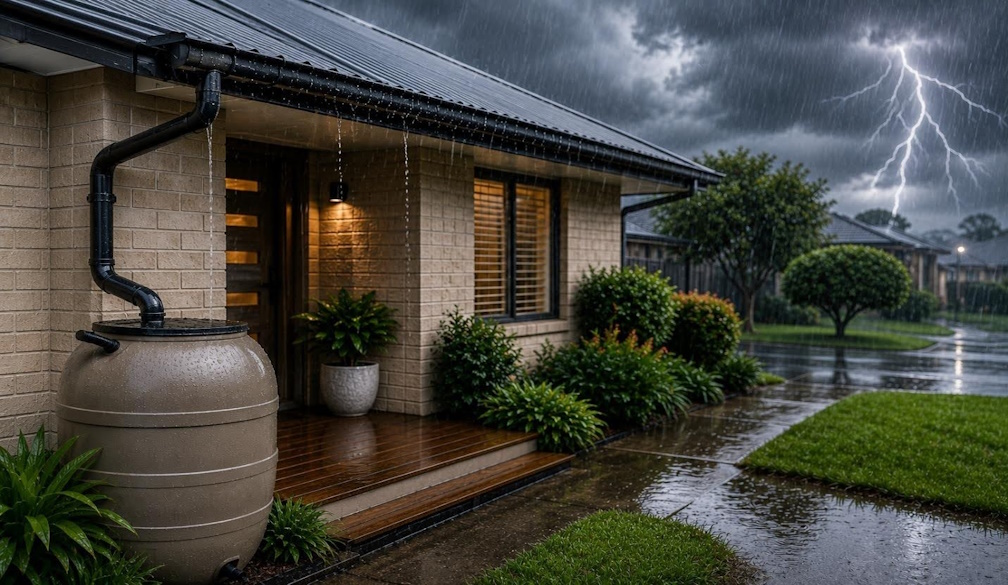
Heavy rain and severe storms can place significant stress on your home. Strong winds, overflowing gutters, blocked drains, fallen branches, and water intrusion can all lead to costly repairs if small maintenance issues have been overlooked.
Fortunately, preparing your home before storm season arrives doesn't have to be complicated. Taking a proactive approach to maintenance can help reduce the risk of damage, improve your home's resilience, and provide greater peace of mind when severe weather is forecast.
Practical Ways to Prepare Your Home for Wet Weather
Inspect Your Roof
Your roof is your home's first line of defence against heavy rain.
Check for cracked or broken roof tiles, loose ridge capping, rust, damaged flashing, or any signs of previous leaks. Even relatively small issues can allow water to enter the roof cavity during prolonged rainfall.
Scheduling a professional roof inspection before storm season gives you the opportunity to identify problems early and complete repairs before they become more serious.
Check Your Gutters and Downpipes
One of the most common causes of water damage during heavy rain is blocked or damaged gutters.
Leaves, twigs, and other debris can prevent water from flowing freely, causing gutters to overflow and allowing water to enter roof spaces or pool around the foundations of your home.
If your gutters are rusted, sagging, leaking, or beyond repair, investing in gutter replacement can improve roof drainage and help protect your home from water damage during future storms.
Trim Trees Around Your Property
Overhanging branches can quickly become a hazard during strong winds.
Branches rubbing against the roof may damage roof coverings, while larger limbs can fall and damage roofing, gutters, fences, vehicles, or powerlines during severe weather.
Regular pruning helps reduce these risks while also limiting the amount of leaves entering your gutters throughout the year.
Check Outdoor Drainage
Stormwater should always flow away from your home.
Inspect drainage grates, pits, and surface drains to ensure they're free from leaves, soil, and debris. If water regularly pools around your home after rain, additional drainage improvements may be worth investigating before the next major storm.
Keeping drainage systems clear helps reduce the likelihood of flooding around the property.
Inspect Your Electrical Connections
Heavy rain and storm damage can sometimes affect your home's electrical infrastructure.
Water entering damaged electrical equipment, fallen tree branches impacting overhead service lines, or storm-related damage to switchboards and consumer mains can all create safety risks that require professional attention.
If you notice damaged electrical equipment, exposed wiring, loose overhead cables, or problems with your electricity supply following a storm, it's important to contact experienced level 2 electricians who are authorised to carry out this specialised work safely.
Electrical issues should never be ignored or repaired without the appropriate qualifications.
Secure Outdoor Items
Outdoor furniture, umbrellas, pot plants, trampolines, and garden equipment can become dangerous during strong winds.
Before severe weather arrives, secure or store loose items where possible to reduce the risk of damage to your home or neighbouring properties.
Taking a few minutes to prepare outdoor areas can help prevent unnecessary property damage.
Review Your Emergency Supplies
It's also worth preparing for the possibility of temporary power outages.
Having a few basic supplies available can make unexpected situations much easier to manage, including:
- Torches and spare batteries
- Portable phone chargers
- First aid kit
- Drinking water
- Battery-powered radio
- Important documents stored safely
Being prepared helps reduce stress if severe weather disrupts essential services.
Preparing Early Can Help Protect Your Home
Heavy rain and storms are an unavoidable part of Australia's climate, but many weather-related problems can be reduced through regular home maintenance and early preparation.
By inspecting your roof, maintaining your gutters, checking drainage, trimming trees, securing outdoor items, and ensuring your electrical infrastructure is safe, you can significantly improve your home's ability to withstand severe weather. A little preparation before storm season often helps prevent expensive repairs while giving you greater confidence when the next storm arrives.


