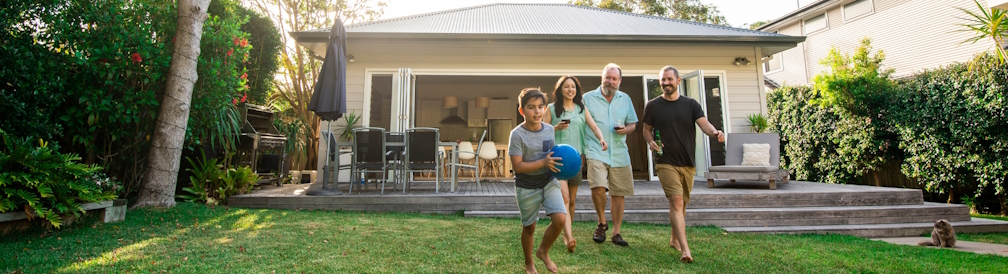


How House and Apartment Relocations Differ From Each Other

Moving into a new place is an exciting step, but not all moves come with the same challenges. The experience can vary significantly depending on whether you are relocating to a house or an apartment. While both involve packing and transport, the planning required behind the scenes is often quite different. From access and timing to space and building rules, understanding these differences early helps reduce stress and keeps your move on track.
Access and Onsite Logistics
One of the most noticeable differences between house and apartment moves is access. Houses generally provide straightforward entry, with driveways or garages allowing removalists to load and unload close to the front door.
Apartment moves often involve additional layers of complexity. Shared entrances, narrow corridors, stairwells, and lifts can slow the process. Lift access may need to be booked ahead of time, and some buildings impose weight limits or restrict moving hours. Underground car parks can also have height restrictions, which may prevent larger trucks from entering and require items to be carried further or transferred using smaller vehicles.
Confirming parking options, access points, and vehicle limitations before moving day helps avoid delays and unexpected costs. Sharing these details with your Brisbane to Melbourne removalists allows them to plan the right equipment and vehicle size for your property.
Packing and Space Planning
Packing requirements often change depending on where you are moving.
When relocating from a house to an apartment, space usually becomes the biggest consideration. Apartments typically offer less storage and smaller rooms, making downsizing a practical necessity. This is an ideal time to declutter and let go of items you no longer need by donating or selling them.
Moving from an apartment into a house brings a different challenge. There may be fewer items to pack initially, but more planning is needed to organise a larger living space. New rooms, outdoor areas, and storage zones often require additional furniture and household items over time.
Regardless of direction, packing takes longer than most people expect. If time is limited or you want added protection for fragile belongings, a professional packing service from house relocation qld experts can save hours and reduce stress.
Timing and Scheduling Restrictions
Apartments often come with stricter scheduling requirements. Many buildings require advance bookings for lifts or loading bays, and some limit moving times to specific days or hours. Missing a booked window can mean delays or rescheduling.
House moves usually allow more flexibility but often take longer overall due to the size of the property. More rooms, outdoor areas, and furniture increase the time needed for loading and unloading.
Creating a clear moving timeline helps keep everything organised. Confirm building rules, align arrival times with your removalists, and prepare essentials ahead of time to avoid last minute pressure.
Costs and Physical Effort
The cost of a move is influenced by volume, access, and time.
Apartment moves can seem less expensive initially because there is often less to transport. However, extra charges may apply for stairs, lift use, restricted access, or parking permits.
House moves typically involve higher costs due to the scale of the move. More belongings, larger furniture, and outdoor equipment often mean additional labour and longer hours.
Accurate quotes, a clear inventory, and early planning with experienced Melbourne to Brisbane removalists help manage costs and prevent surprises on the day.
Building Rules and Approvals
Apartment buildings usually require more coordination. Strata or building managers may ask for lift bookings, proof of mover insurance, or advance notice to residents. Some buildings also require refundable deposits to cover potential damage to shared areas.
Houses generally involve fewer formal requirements, though certain estates or gated communities may still have access restrictions or preferred moving hours. Checking these details early avoids delays once the truck arrives.
A quick conversation with your building or community manager before moving day can help smooth out these arrangements.
Adjusting Between Houses and Apartments
Moving between a house and an apartment often requires a shift in how you use space.
Downsizing into an apartment means rethinking storage and layout. Multi purpose furniture, vertical shelving, and clever storage solutions can make smaller spaces more functional.
Moving into a house offers more room but also brings added responsibilities. You may need to plan for garden equipment, outdoor furniture, or extra cleaning supplies. Preparing for these changes helps your new home feel organised from the start.


