

Designing a Home That Actually Reflects How You Live
Floor plans can look impressive on paper. Wide entryways, open kitchens, large alfresco spaces — the features often read well in a brochure. But the real test of a home isn’t how it photographs. It’s how it functions on an ordinary Tuesday evening.
That’s where the difference between a standard layout and a custom home design becomes clear.
A home built around generic assumptions may tick common boxes. A home designed around the people who will actually live in it tends to feel different — not dramatic, but intuitive.
It Starts With Lifestyle, Not Layout
Many building decisions begin with room counts: four bedrooms, two bathrooms, double garage. While those metrics matter, they don’t explain how the space will be used.
Do mornings feel rushed? Does someone work from home? Is the kitchen the centre of family life? Are quiet retreat spaces important?
Custom home design shifts the starting point from structure to routine. Instead of asking, “How many rooms?” the conversation becomes, “How do you move through your day?”
Orientation and Light Matter More Than Trends
In Australia, orientation plays a major role in comfort. Natural light, cross-ventilation, and seasonal sun angles influence energy efficiency and liveability more than surface finishes.
A thoughtfully considered custom home design accounts for how the home sits on the block. Window placement, outdoor integration, and shading aren’t decorative decisions — they shape how the home feels year-round.
Standard designs can sometimes ignore these subtleties in favour of broad appeal.
Space Should Flex Over Time
Homes are rarely static. Children grow. Work patterns shift. Family structures evolve. A rigid floor plan may suit one stage of life but feel restrictive later.
Flexibility can be built subtly — multi-purpose rooms, adaptable study areas, or living zones that can close off when needed. These decisions don’t necessarily increase size, but they increase longevity.
Custom home design allows these future considerations to be factored in early, rather than retrofitted later.
Storage Is Often Underestimated
Storage rarely headlines design conversations, yet it heavily influences daily comfort. Insufficient storage leads to clutter. Clutter reduces functionality.
Integrated cabinetry, garage planning, and concealed storage solutions may not be visually dramatic, but they significantly affect liveability.
Tailoring storage capacity to real habits — sports equipment, seasonal items, hobby supplies — creates smoother routines.
Materials and Maintenance
Beyond aesthetics, material choices influence maintenance demands. Some finishes look striking but require frequent upkeep. Others prioritise durability and ease of cleaning.
A custom home design conversation often includes these practical trade-offs. The goal isn’t simply visual appeal, but a balance between style and long-term practicality.
Outdoor Integration
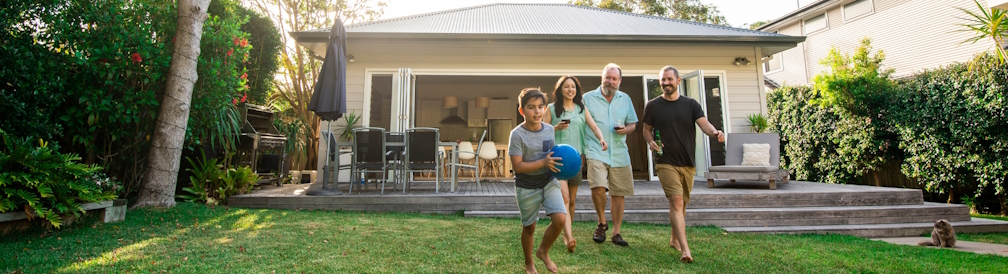
In many Australian regions, outdoor living isn’t optional — it’s expected. Covered alfresco areas, connection between kitchen and backyard, and transitional spaces between indoors and outdoors all contribute to how often external areas are used.
Rather than attaching an outdoor space as an afterthought, custom home design integrates it into the flow of the home itself.
Budget Transparency
There’s a perception that custom automatically means excessive. In reality, designing specifically for your needs can prevent unnecessary additions. Instead of paying for features that look impressive but serve little purpose, the focus shifts to prioritising what genuinely adds value.
Clarity in planning often reduces mid-build changes, which can otherwise inflate costs.
A Home That Feels Considered
The most noticeable difference in a well-executed custom home design isn’t dramatic architecture — it’s coherence. Spaces connect naturally. Circulation feels intuitive. Lighting suits the orientation. Storage aligns with lifestyle.
These qualities aren’t always visible in marketing images, but they become evident in everyday use.
A home built around its occupants doesn’t try to fit them into a predefined mould. It adapts to how they live, work, and gather. Over time, that alignment shapes comfort more than any trend ever could.


