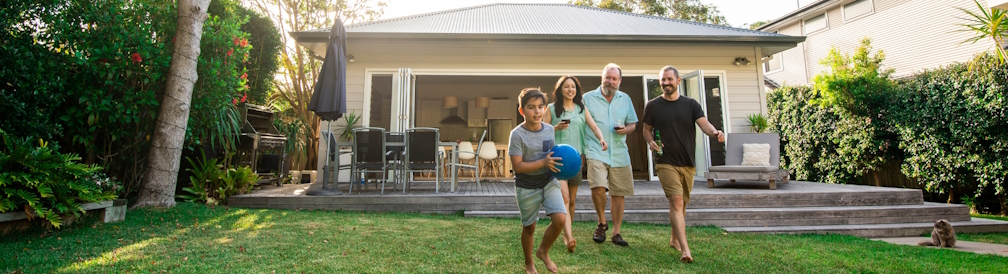


Rapid housing expansion risks future building defects
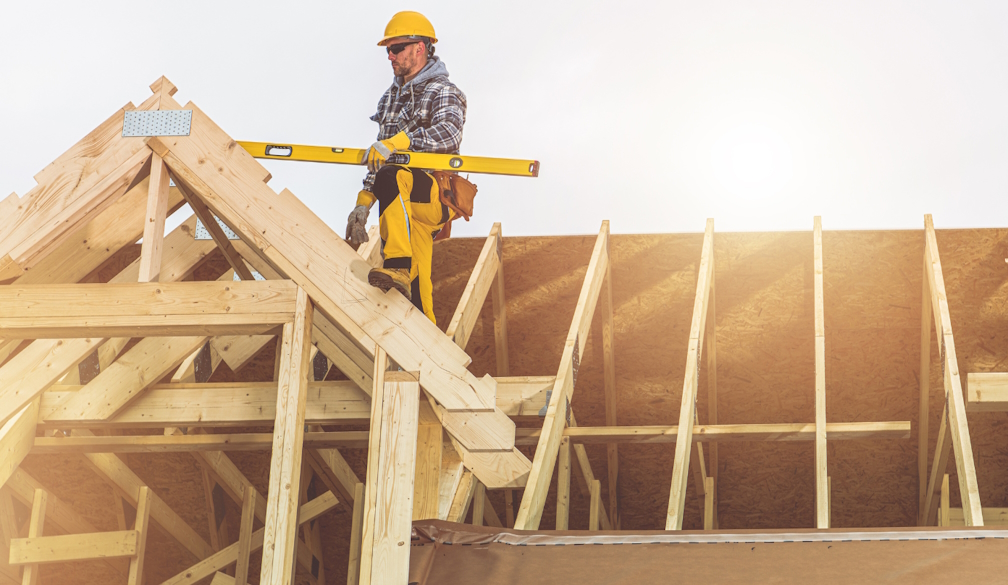
Court expert warns resource-poor construction industry is being forced into a boom, risking defects in 10-20
The Federal Government wants 1.2 million homes built in the next five years, and most states and territories are each ambitiously driving the construction of tens of thousands of new dwellings over the next two decades. One of Australia’s foremost construction court experts said the forced construction boom in the residential sector risks creating another swathe of building defects in the next 10-20 years because of the incredible strain on resources trying to prop up the industry.
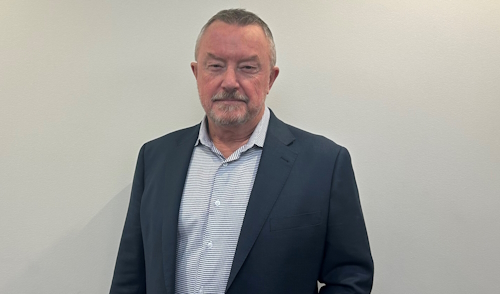
Steve Abbott is Founder and Managing Director of construction advisory and delivery services company SJA, which operates across Australia, New Zealand and South East Asia, and is part of the global RSK Group. Steve has 45 years’ experience in the building, construction and engineering industries – on the tools, in management, and as an advisor. He is a Fellow of the Australian Institute of Project Management, a Fellow of the Australian Institute of Management, and a Fellow the Australian Institute of Building.
Steve regularly testifies as a court expert in most legal jurisdictions including the Supreme Courts of New South Wales, Queensland and Victoria – where he specialises in quantum, forensic delay and disruption analysis as well as project delivery and quality issues.
He said the NSW Building Commissioner is still dealing with construction defects that came out of the last residential boom. “Defects I commonly review as a court expert are water leaks, cracks and generally poor finishes – major symptoms of poor construction. If we don’t prioritise quality in this next wave of residential construction, the Commissioner will have to address a new swathe of defects over the next 20 years.”
Steve said that while decision-makers are talking up the construction industry’s potential and what it needs to deliver for Australians, the elephant in the room is resources.
“Governments are trying to force the industry into a residential boom without the resources – both within the industry and governments – to manage such a workload. The industry needs a reliable supply of high-quality skills, staffing, a sufficient number of planners and building certifiers, a reliable talent pipeline, and building materials. State governments need better controls in inspections and certifications – and those who carry out this important service must also be highly skilled and deeply experienced.
“Unfortunately, there is a constant drive to do things cheaper in construction – it’s a race to the bottom. We need to get back to basics and do things right – the foundation on which the industry was built. Short-term solutions such as boosting skilled migration or once-off limited financial incentives to hire apprentices such as what we saw coming out of the pandemic are part of the picture, but we need something more overarching and enduring.”
The mix of issues savaging the sector includes housing and skills shortages, supply chain issues, differing regulatory frameworks between municipalities across states and territories, as well as poor apprenticeship completion rates, said Steve.
Add to the mix government that is introducing compulsory insurance to address the problem of defects. “While this might solve part of the problem, it is dealing with the issue after the horse has bolted. The availability of this insurance coverage equates to another fix,” Steve said. “We need to get better at constructing quality dwellings rather than finding better ways of dealing with defects after they occur. It highlights a conversation about construction quality we need to have. However, you can only ensure high quality when you have the right complement of appropriate resourcing across the industry. That’s where Australia is sadly lacking.
“At the heart of the construction industry are its people – their skills, experience, continuous ongoing training and their commitment. Over the years, we have short circuited the training of apprentices. The re-introduction of university fees in 1989 heralded a shift back towards a user-pays system that’s now part and parcel of the vocational education and training sector, too.”
Similarly, local councils used to hire trainee planners and building surveyors en masse, but there are diminishing vacancies with councils suffering empty coffers.
“We’ve got no shortage of Australians keen to be part of the construction sector, eager for high quality training and to make a contribution. Why are we putting the onus on them to take a huge bet – personally, financially and time-wise - on what jobs and skills will be in demand in the future?
“Developing a talent pipeline for the construction industry starts with Federal and state government policy to pave the way for better resourcing, better controls in inspections and certifications, and high-quality accessible training.”
About SJA
SJA, part of the global RSK Group, specialises in expert and advisory services, planning and programming, project management and quantity surveying. Since it was established in 1999, SJA has completed more than 2000 assignments for construction, engineering and infrastructure providers across Australia, New Zealand, Macau, Indonesia, Papua New Guinea and the UK. These include roads, rail and water projects, tunnelling, mining, building in all sectors, ports and marine, communications, oil, gas and energy projects.
About RSK
RSK is a global leader in the delivery of sustainable solutions. Its family of more than 200 environmental, engineering, and technical services businesses and 12,000 employees works together to provide practical solutions to some of the greatest challenges societies have ever faced.
The company operates in most sectors of the economy, including many of those most critical to future global sustainability, such as water, energy, food and drink, infrastructure, urban development, mining, and waste. With its integrated offering across research and development, consultancy, and on-the-ground application, RSK can deliver a complete solution that is unrivalled in the market.
The company is certified to the ISO 9001, ISO 14001 and ISO 45001 international standards for quality, environmental management and health and safety management.


