

Why Artificial Grass Is a Great Option for Australian Backyards
- Written by Scene Magazine
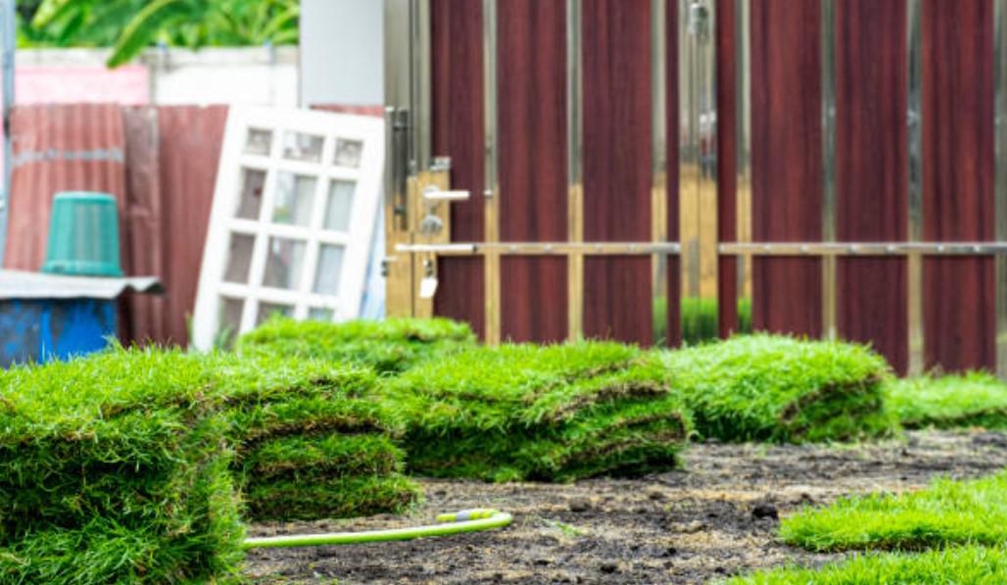
DIY artificial grass installation is a low-maintenance, evergreen and reasonably priced option to improve outdoor areas. It produces a verdant, appealing space that is robust and lovely all year round. With simple tools and detailed instructions, this useful craft may be completed. Homeowners can save time and money by creating a professional looking lawn without paying for expensive services. For patios, play areas, and gardens, artificial grass offers a long-lasting, weatherproof surface. It uses a lot less water as well as pet friendly and is simple to clean. Anyone may install artificial turf and change their outside area in a few easy steps.
Turf suppliers in Melbourne offer a variety of options for homeowners looking to improve their outdoor spaces with high-quality grass solutions.
Laying the Perfect Base for Artificial Turf
For long-lasting effects laying a firm level foundation is the first step in preparing your lawn for artificial turf. Following these steps ensures a flawless professional looking artificial grass installation. To start make sure the area is clean by removing any grass pebbles or other trash. Using a shovel or rake level the ground to remove any dips or bumps that can compromise stability. To establish a solid foundation that won't move compact the earth with a heavy roller or tamper. To keep the gravel layer level and stop it from sinking over time compact it completely. For added smoothness sprinkle a thin coating of sand over the compacted gravel. For a consistent even finish rake and compact this layer of sand. This base provides a sturdy well drainage foundation crucial for supporting artificial turf.
Creative Ways to Integrate Artificial Grass in Your Garden
Creatively incorporating artificial grass into your yard can turn your outdoor area into a specific and easy to maintain haven. To provide a seamless natural appearance that requires no maintenance, think about utilising artificial grass to create discrete pathways that wind through flowerbeds. For a welcoming touch place artificial grass as a soft base beneath outdoor furniture or garden seating areas. Plant artificial grass around key features of your garden such as sculptures or fountains to draw attention to them and make upkeep simple. Use artificial grass to create kids friendly play spaces that offer a safe padded surface for enjoyment without the mess of dirt. For an attractive visual feature that adds greenery without using more water artificial grass can also be placed on vertical garden walls. For a stylish contemporary garden design incorporate fake turf areas between pavers or stepping stones. Use it as a frame for raised garden beds so that the deep green artificial grass contrasts with colourful flowers and greenery. It's ideal for pet areas because it's durable easy to clean and soft underfoot. DIY artificial grass can help turn even tiny patios or balconies into hospitable green havens. For dynamic attractive textures in your garden get creative and mix artificial grass with other materials like stone and wood.
Troubleshooting Common DIY Artificial Grass Issues
Resolving typical DIY artificial grass problems contributes to a perfect enduring lawn that appears expertly laid. Uneven surfaces are a frequent problem that can arise from poor ground preparation and cause dips or bumps after installation. Before installing the turf make sure the base is level and uniformly compacted to address this. Puddling and water accumulation can result from poor drainage particularly if the base has insufficient drainage layers. To enhance water flow and avoid pooling add a gravel base or permeable membrane. Overly noticeable seams between artificial grass patches might make the lawn look less appealing. To keep seams tight and undetectable use premium joining tape and adhesive. Another problem that frequently results from inadequate adhesive or anchoring is edges lifting over time. To keep the margins looking tidy and complete properly secure them with glue or landscaping spikes. When the turf is not properly stretched during installation it wrinkles or ripples giving the surface an uneven look. For a smooth finish re-stretch and fasten the turf ensuring sure it is taut. Over time loose infill may shift and create uneven surfaces; to restore uniformity reapply and distribute it evenly. By taking care of these problems, you can keep your DIY fake grass looking great and working properly.


